Staging Pacific Palisades Homes to Create Buyer Connection
June 25, 2026
June 25, 2026
If you are selling in Pacific Palisades, staging is not about making your home look decorated. It is about making buyers feel something the moment they walk in or scroll past the first photo online. In a market where homes are often measured in the millions and days on market can stretch into weeks, presentation can shape both attention and offers. The good news is that the most effective staging here is usually less about adding more and more about revealing what already makes your home special. Let’s dive in.
Pacific Palisades is a view-conscious coastal and hillside market where architecture, setting, and outdoor connection matter. Local planning priorities emphasize preserving distinctive character, scenic views, and visual compatibility, which helps explain why homes here tend to resonate most when their architecture and landscape can breathe.
That matters because buyers are not just evaluating square footage. They are responding to light, outlook, flow, and the feeling of being in a home that belongs exactly where it is. In Pacific Palisades, staging works best when it supports that emotional read instead of distracting from it.
The market also rewards thoughtful presentation. As of May 2026, Zillow reported a typical home value around $3,044,325 and Realtor.com reported a median listing price of $3,599,000, with homes taking roughly 41 to 57 days to move depending on the source. In that kind of high-value but measured market, staging can materially influence how quickly a home connects with the right buyer.
Staging helps buyers picture themselves living in a home. According to the National Association of Realtors 2025 Profile of Home Staging, 83% of buyers’ agents said staging made it easier for buyers to envision the property as a future home.
That is the emotional piece sellers often underestimate. Buyers do not simply want to understand a floor plan. They want to sense how mornings feel in the kitchen, how the living room gathers people, and how indoor and outdoor spaces support daily life.
The same report found that 60% of buyers’ agents said staging affected most buyers’ view of the home most of the time. Nearly half of sellers’ agents also said staging reduced time on market, and 29% reported a 1% to 10% increase in the dollar value offered.
Before you think about furniture, start with subtraction. NAR found that the most common improvement recommendations were decluttering, cleaning the entire home, and improving curb appeal.
That sequence matters. A deep clean and a careful edit create the visual calm that lets buyers notice scale, light, and detail. In Pacific Palisades, where many homes have strong architectural features or outdoor orientation, clutter tends to compete with the very things buyers came to see.
A simple pre-listing order looks like this:
This approach keeps your investment focused and prevents staging from feeling like a layer placed on top of unresolved distractions.
You do not need to stage every room to create impact. In fact, selective staging is often the smarter move.
NAR’s 2025 data shows that the living room, primary bedroom, and kitchen are the highest-priority spaces. Outdoor or yard space also matters, especially in a climate like Pacific Palisades where warm summers, mild winters, and frequent indoor-outdoor living shape buyer expectations.
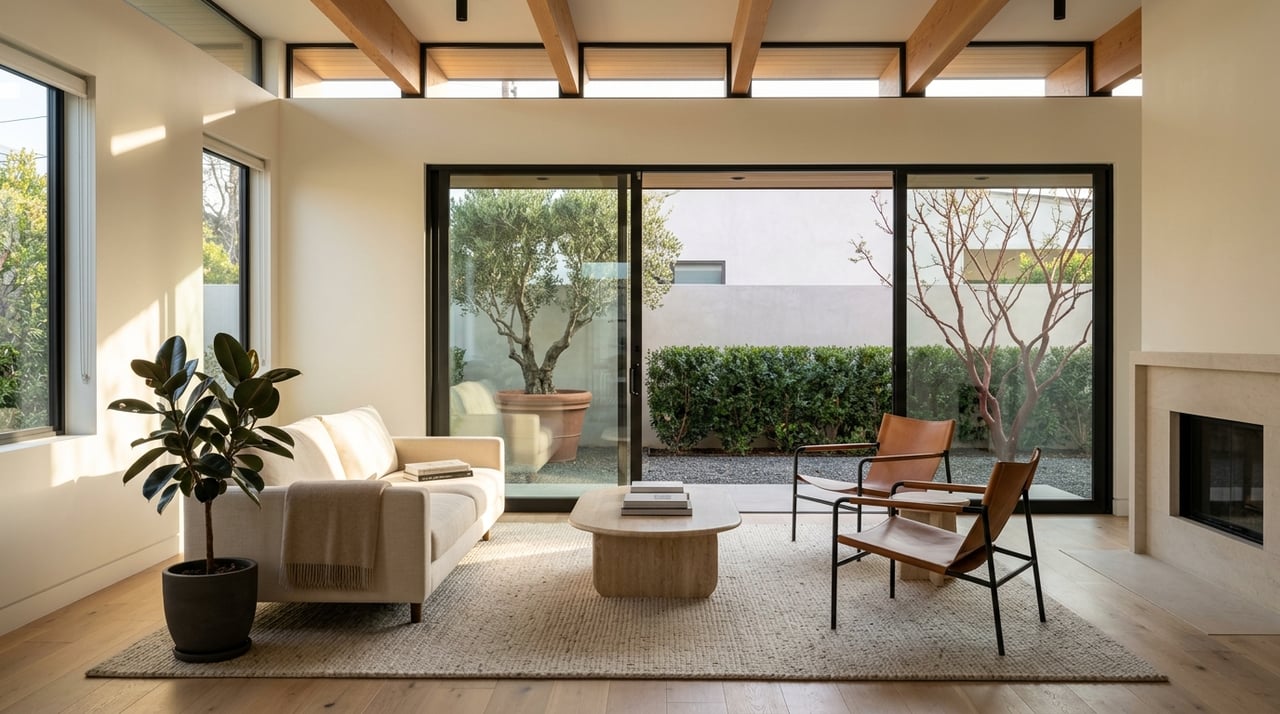
The living room often carries the emotional weight of the listing. It is where scale, light, views, and flow become instantly legible both online and in person.
Use furniture that defines conversation without blocking windows or pathways. Keep the palette restrained so buyers notice the architecture, not the styling effort. If the room opens to a deck, patio, or yard, the layout should gently pull the eye in that direction.
The primary bedroom should read as restful and generous. Crisp bedding, soft texture, and simplified surfaces usually do more than dramatic styling.
This is not the place for visual noise. In a Pacific Palisades home, a bedroom often benefits from natural light, soft tones, and just enough warmth to feel inviting without looking overly personalized.
Kitchens should feel functional, bright, and easy to maintain. Clear counters, edited accessories, and seating that suggests everyday use can help buyers understand the room quickly.
If your kitchen has been updated, make those choices visible. If it is more classic than new, staging should frame it as clean, intentional, and connected to the home’s overall character rather than apologizing for it.
The most credible staging in Pacific Palisades usually feels editorial, not generic. Because the community values distinctive character and visual harmony, homes tend to show best when staging feels tailored to the property and setting.
A coastal-neutral palette often works well here, especially when paired with natural textures and furniture scaled to the room. The goal is not to impose a trend. It is to support what already belongs in the home.
For character homes, preserve evidence of craft. Original woodwork, stone, built-ins, and fireplace surrounds should remain visible and legible. For contemporary homes, soften sharper lines with textiles, layered lighting, and organic forms so the home feels warm rather than stark.
One useful lens is story, provenance, presentation:
When those three elements align, buyers can connect emotionally without feeling manipulated.
Pacific Palisades has a climate that naturally supports bright, airy interiors and a strong relationship to outdoor space. Planning documents describe warm summers, mild winters, moderate breezes, and morning coastal cloud cover that often burns off quickly.
That means your staging should help the home feel open to daylight and exterior living. Heavy window treatments, oversized furnishings, and crowded outdoor areas can dull one of the area’s biggest advantages.
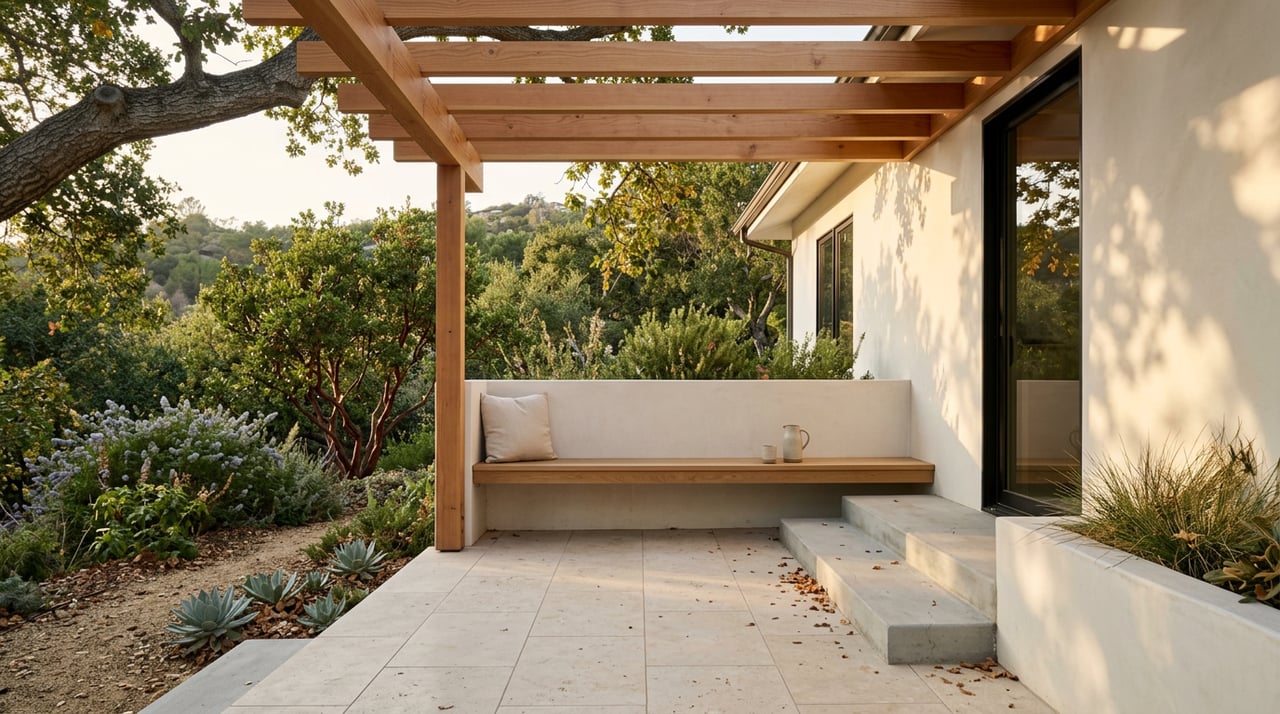
If your home has a patio, lanai, deck, balcony, or yard, make it feel usable. A simple furniture grouping, washed cushions, trimmed planting, and uncluttered sightlines can turn outdoor space into a lifestyle moment that buyers remember.
One of the biggest staging mistakes in a design-aware market is over-styling. Buyers in Pacific Palisades often respond better to restraint than to a one-size-fits-all luxury look.
If the home has period charm, let that charm stay visible. If the architecture is modern, avoid making it feel cold or staged to the point of sterility. The objective is clarity, not performance.
This is especially important online. NAR found that buyers’ agents rated photos, traditional staging, videos, and virtual tours as important listing assets, and 31% said buyers were more willing to tour a home they first saw online. Polished staging should improve the visual story, but it still has to feel believable when buyers arrive.
In Pacific Palisades, curb appeal is about more than beauty. It also signals maintenance, care, and awareness of local conditions.
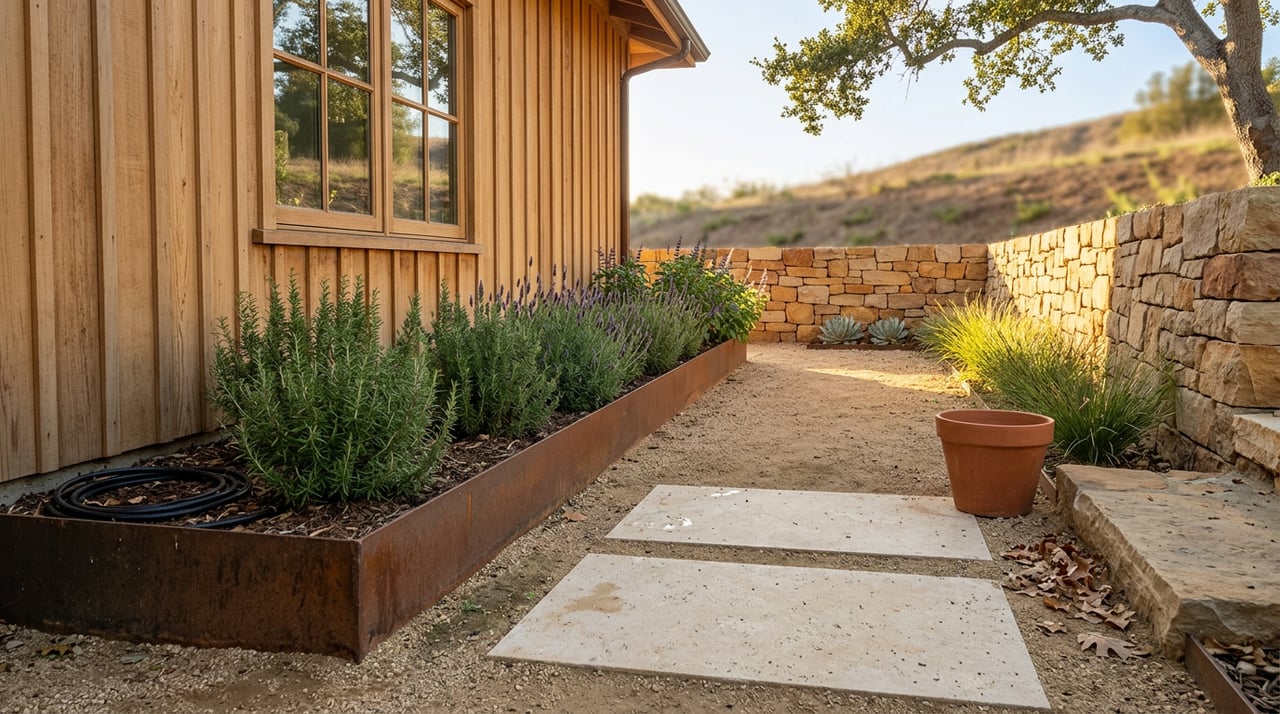
Los Angeles County Fire, the Los Angeles Fire Department, and CAL FIRE recommend measures such as clean roofs and gutters, trimmed vegetation, separation between plants and structures, and reducing visible clutter around the home. For sellers, that translates into an exterior that feels intentionally maintained and visually calm.
Because of the ongoing recovery context following the January 7, 2025 Palisades Fire, buyers may be paying closer attention to upkeep, hardening, and improvement records. If your home has been rebuilt or significantly renovated, organized permit and improvement documentation can support the overall sense of stewardship.
The goal outside is to suggest a lifestyle without creating maintenance anxiety. Overfilled planters, too much furniture, or accessories that feel precious can work against you.
Instead, focus on a few clean signals:
Not every listing needs a full-house transformation. More than half of sellers’ agents in NAR’s 2025 report did not fully stage homes before listing, often recommending decluttering or correcting property issues first.
That is helpful for Pacific Palisades sellers who want to be strategic. You can often create strong emotional impact by concentrating on the most visible rooms, improving exterior presentation, and making sure the online imagery feels cohesive.
NAR reported a median staging cost of $1,500 when using a staging service, compared with $500 when the seller’s agent handled staging themselves. Quality of design was the top factor sellers’ agents used when choosing a staging company, which makes sense in a market where buyers notice nuance.
The strongest staging in Pacific Palisades does three things at once. It protects the home’s character, clarifies the home’s story, and removes visual friction inside and out.
That is what creates emotional impact. Buyers can imagine their future there, while still understanding what makes the property singular right now.
If you are preparing to sell, the goal is not to make your home look like every other listing. It is to help the right buyer feel, within seconds, that this home could be the one. If you want thoughtful guidance on presentation, staging, and pre-listing strategy, Nuhaus - Olga Crawford can help you tell your home’s story.
Stay up to date on the latest real estate trends.