How to Navigate Pacific Palisades Multiple Offers
July 2, 2026
July 2, 2026
Multiple offers can feel like a blur, especially when you are trying to stay decisive without overreaching. In Pacific Palisades, that pressure is real for some homes, but it is not the same on every street, in every price point, or for every property type. If you are preparing to compete, the goal is not just to move fast. It is to write an offer that is strong, clear, and aligned with your comfort level. Let’s dive in.
Pacific Palisades is competitive, but the market is not one-size-fits-all. In May 2026, Redfin described the area as somewhat competitive, while Realtor.com called it a balanced market. Across public trackers, median days on market ranged from about 55 to 58 days, and sale-to-list metrics suggested many homes were trading close to asking, not wildly above it.
That matters because buyers often hear “multiple offers” and assume every listing is heading into a bidding war. In reality, some homes do attract intense attention, while others sit longer and invite more negotiation. A well-priced, well-presented home with views, updated condition, or a standout lot may draw very different interest than a property that needs more work or has more location-specific tradeoffs.
Price range also shapes competition. Realtor.com’s local data showed major variation across Palisades submarkets, from roughly $1.62 million in Palisades Highlands to about $17.9 million in The Riviera, with Huntington Palisades around $6.9 million. In practical terms, the better question is not “How hot is Pacific Palisades?” but “How competitive is this specific home?”
In a market like Pacific Palisades, competition often clusters around homes that feel complete from day one. Buyers tend to respond quickly to properties with strong presentation, clear pricing, and a lifestyle fit that is easy to understand.
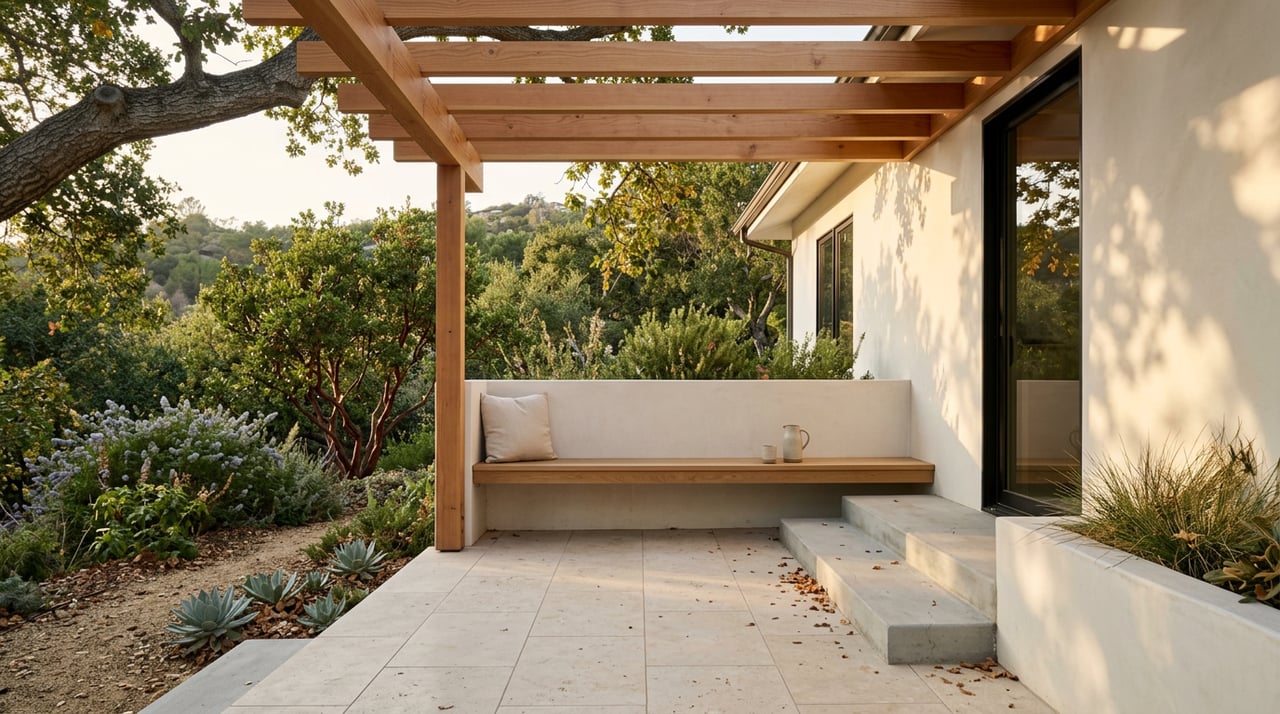
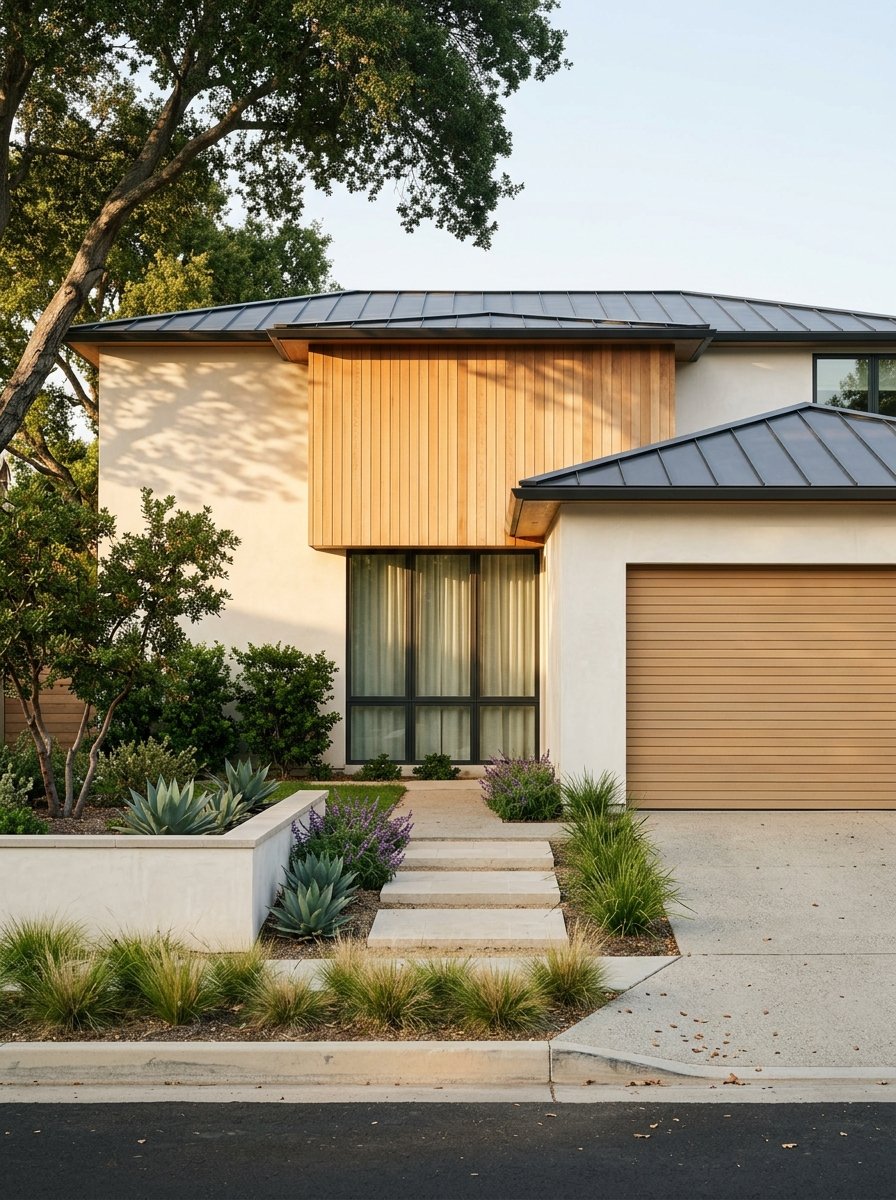
That can be especially true for design-forward homes, renovated cottages, hillside properties with view corridors, or residences that balance character with move-in-ready condition. Presentation influences perception, and perception influences urgency. When a home tells a clear story, buyers often act with more confidence.
Local inventory conditions also matter. After the January 2025 Palisades Fire, Redfin reported notable year-over-year declines in both home sales and new listings in the aftermath. In 2026, that means some parts of the market may still feel more constrained or more uncertain than others, especially where rebuilding, lot status, or insurance questions affect supply.
When you are facing multiple offers, price is only one part of the picture. Sellers often compare the full package, including contingencies, earnest money, financing strength, and timing.
A higher offer is not always the one that wins. If another buyer offers cleaner terms, a larger deposit, or a closing timeline that better matches the seller’s needs, that offer may feel safer and easier to accept. In a market where some properties draw competition and others do not, simplicity and certainty can carry real weight.
Sellers also have options in how they respond. They may accept one offer, reject others, counter a buyer on terms like price or closing date, or ask interested buyers to improve their offers. If a seller counters your offer, the original offer is no longer in effect, so every revision should be made carefully.
Before you compete, define your true comfort number. A lender may approve you for more than you actually want to spend each month, and that difference matters when emotions rise.
Your offer ceiling should account for more than the purchase price. The California Department of Real Estate says buyers typically need about 5% to 20% for a down payment and another 3% to 7% for closing costs. Depending on the property, you may also need to budget for HOA dues, special taxes, or assessments.
In Pacific Palisades, insurance planning deserves early attention too. California’s Department of Insurance advises buyers to shop and compare residential insurance, and if coverage is difficult to obtain, buyers may apply for the California FAIR Plan through a licensed broker. Some FAIR Plan policies may also require a separate difference-in-conditions policy to fill coverage gaps.
If you expect to compete, get financing lined up before you fall in love with a home. A preapproval helps show sellers that you are serious, but it is not the same as final loan approval.
Preapproval letters often expire in 30 to 60 days, so timing matters. If you start touring seriously, it is smart to have current paperwork ready and a lender who can move quickly when you need updated documents.
It also helps to compare lenders early. Reviewing rates, fees, and loan terms before you are under pressure can make your financing stronger and your decision-making calmer when the right Palisades property appears.
In a multiple-offer setting, the most effective offers are often the ones that feel well prepared and easy to understand. That does not mean taking reckless risks. It means knowing which terms matter and where you are comfortable being flexible.
Earnest money is one of the first signs of seriousness. Fannie Mae notes that earnest money deposits are typically about 1% to 3% of the offer price.
A meaningful deposit can help reassure a seller that you are committed. At the same time, the amount should still fit your own risk tolerance and the protections built into your contract.
Contingencies can protect you, but they also affect how competitive your offer looks. Financing and inspection contingencies are common tools buyers use to preserve an exit if financing falls through or if serious defects are uncovered.
Cleaner or narrower contingencies may strengthen your offer, but they also increase your exposure. The right balance depends on the property, your finances, and how much uncertainty you are prepared to absorb.
These two protections are often discussed together, but they do different jobs. An inspection contingency helps you evaluate the home’s condition, while an appraisal contingency helps protect you if the appraised value comes in below the contract price.
That distinction can matter in Pacific Palisades. Older homes, hillside sites, wildfire-affected areas, or extensively remodeled properties may raise condition questions and valuation questions at different stages of the transaction.
Closing speed and flexibility can be meaningful in a seller’s decision. Some sellers want a shorter timeline, while others care more about predictability.
An earlier closing date may make your offer more attractive, but it should also work for your own move. California’s DFPI warns that a faster close can create overlap costs, such as paying rent and a mortgage at the same time.
All-cash offers often appeal to sellers because they remove the mortgage process. That simplicity can be especially attractive when a seller values certainty above everything else.
Still, financing does not take you out of the running. A complete, current preapproval, clean paperwork, and quick communication can make a financed offer feel far more competitive.
An escalation clause can automatically raise your bid up to a preset cap if another buyer offers more. In the right situation, that can keep you competitive without starting at your maximum.
But this strategy only works if you have already defined a firm ceiling. If you use an escalation clause, the cap should reflect your true limit, not a number set in the heat of the moment.
The pressure of multiple offers can push buyers into decisions they regret later. The best protection is a plan you make before the offer deadline arrives.
Keep these principles in mind:
You should also prepare emotionally for the chance that you may not win the first round. In a multiple-offer situation, you can usually increase your price, leave your offer as written, withdraw it, or reconsider the terms and conditions. A calm strategy helps you choose deliberately instead of reacting under pressure.
Pacific Palisades is not a generic market, and homes here rarely compete on price alone. View corridors, lot conditions, design quality, remodel history, and wildfire-related considerations can all affect how buyers and sellers weigh risk.
That is why local context matters so much. One property may call for speed and a very clean structure, while another may reward patience, deeper diligence, and more measured negotiations. The strongest buyers are not always the most aggressive. They are the ones who understand the home, the terms, and the tradeoffs clearly.
If you are preparing to buy in Pacific Palisades, thoughtful guidance can help you compete with confidence while protecting what matters most. When the right home appears, a well-structured offer should feel intentional, not improvised.
If you want a calm, design-savvy strategy for buying in the Palisades, connect with Nuhaus - Olga Crawford. Let’s tell your home’s story.
Stay up to date on the latest real estate trends.