Should You Sell Your Malibu Home As-Is or Update First?
July 23, 2026
July 23, 2026
Wondering whether to refresh your Malibu home or sell it exactly as it stands? That question matters even more in a market where buyers have options and presentation can shape both timing and offers. If you are trying to balance design, budget, and the realities of Malibu’s permitting landscape, a measured strategy can help you avoid over-improving while still showing your home at its best. Let’s dive in.
In June and Q2 2026, Malibu remained a high-value but selective market. Realtor.com described Malibu as a buyer’s market, with a median listing price of $5.6 million, median days on market of 71, and homes selling for about 4% below asking on average. Sotheby’s Q2 2026 update also pointed to a slower pace, with a median sales price of $4.85 million and average days on market of 65.
For you as a seller, that means buyers often have time to compare homes closely. It also means your presentation strategy matters, especially if your home is competing with other well-priced properties. In a market like this, thoughtful updates can help, but only when the spending is proportional to likely resale impact.
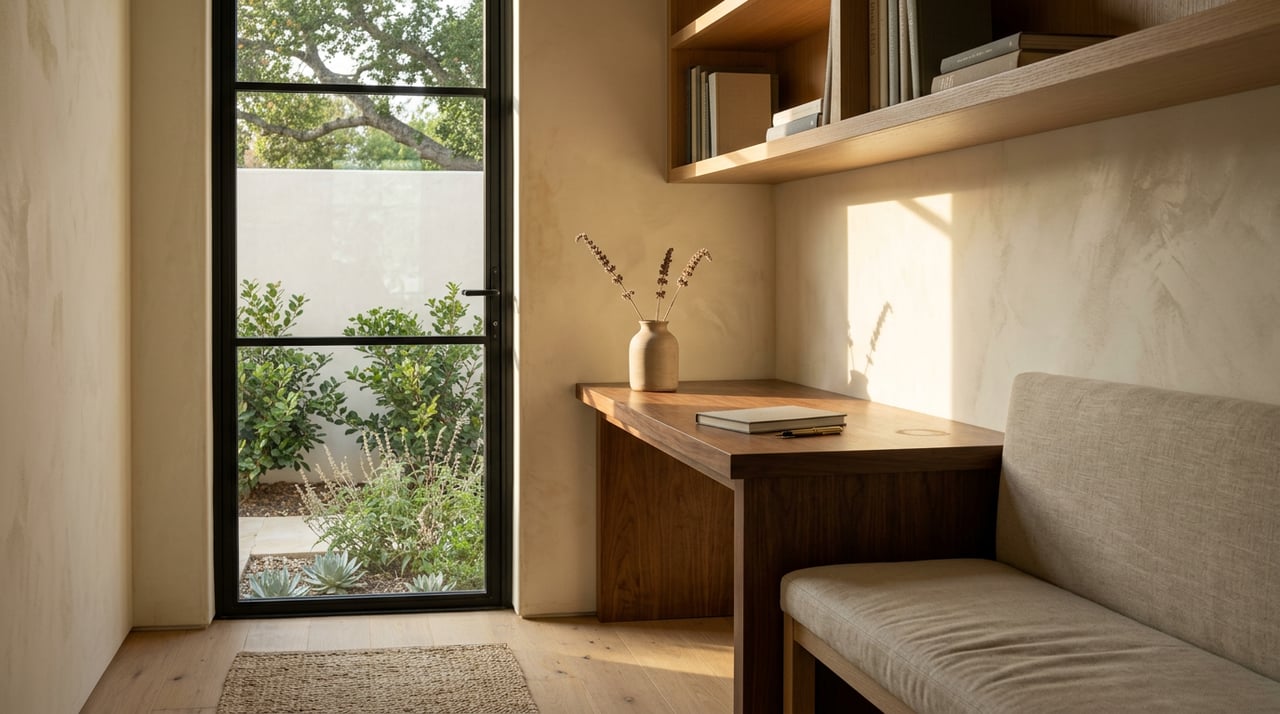
A design-first approach is not the same as a full remodel. It means focusing on what buyers notice first in photos, at the front door, and in the main living spaces. In Malibu, that often comes down to light, flow, simplicity, and a clean visual story.
This matters because buyers are paying close attention to condition. According to the 2025 Remodeling Impact Report, 46% of buyers are less willing to compromise on home condition than they were in the past. Even at the luxury end, visual polish can influence how move-in ready a home feels.
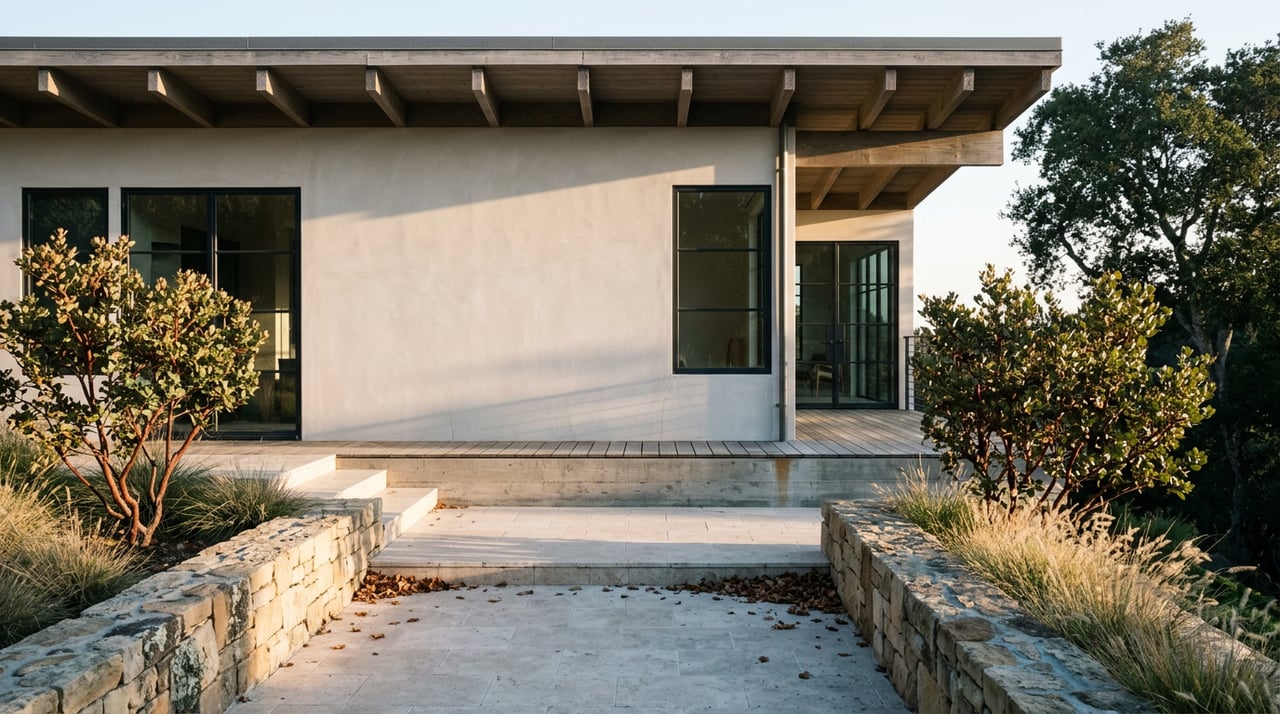
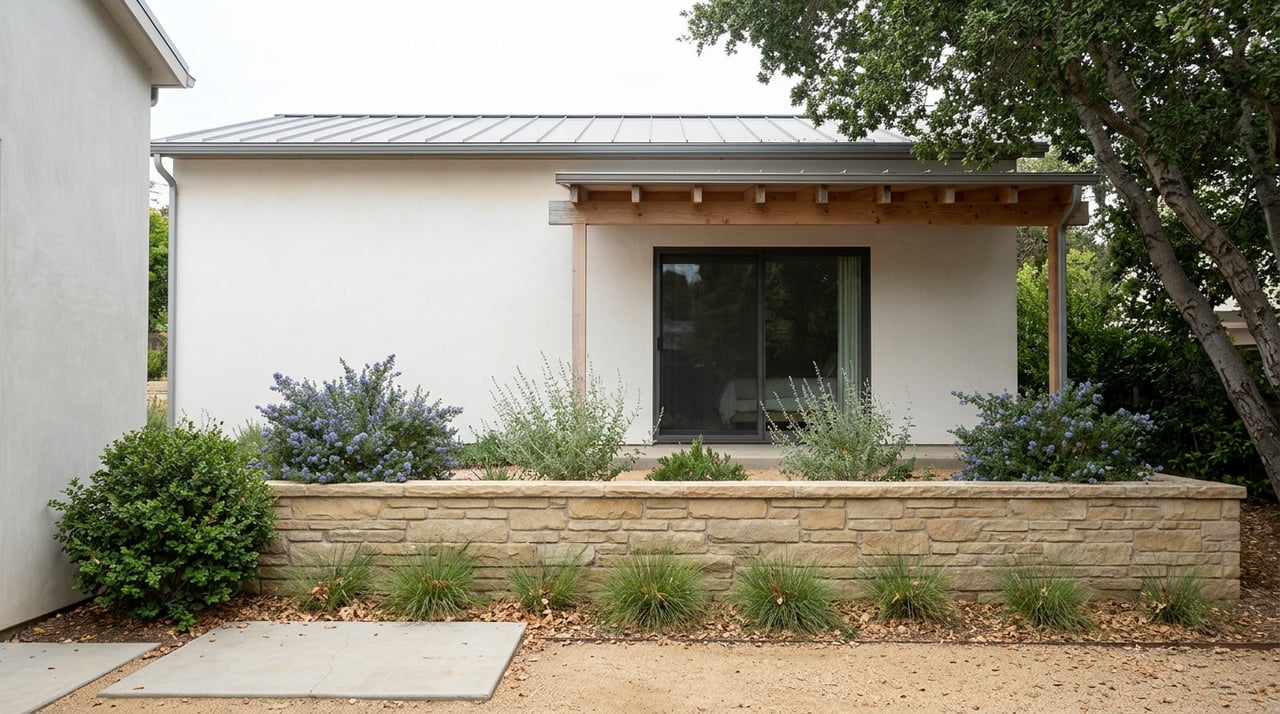
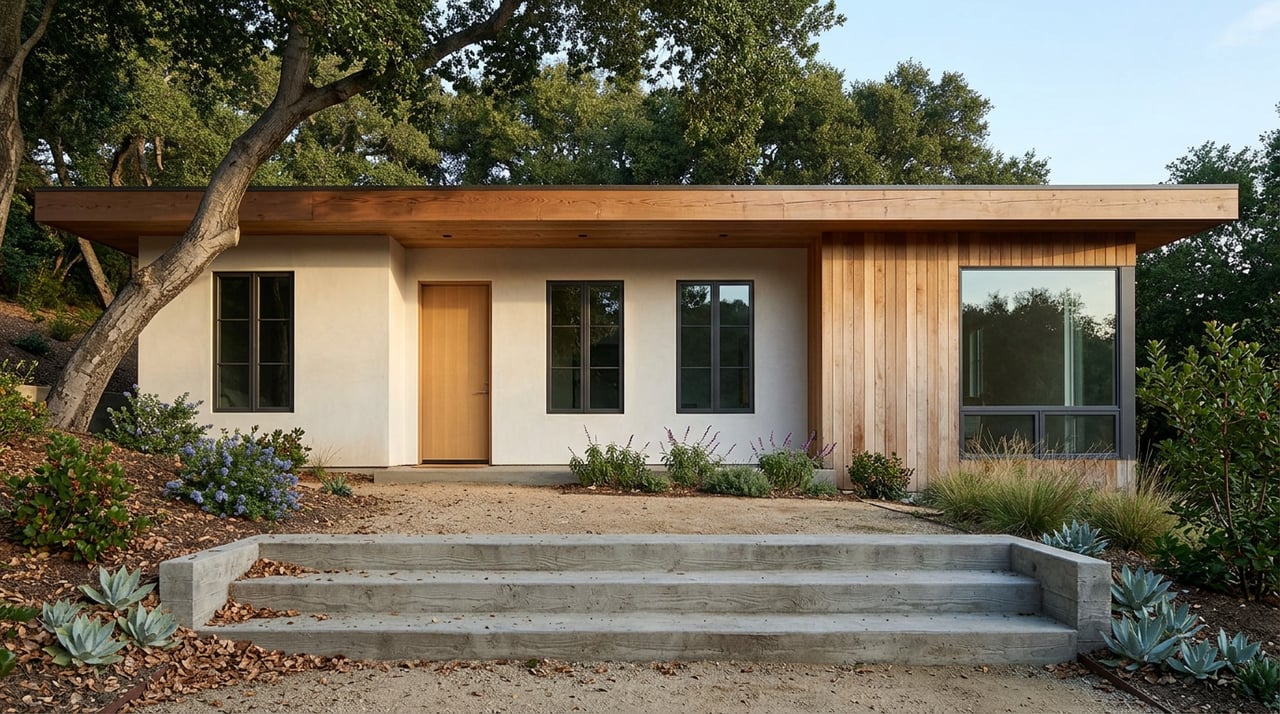
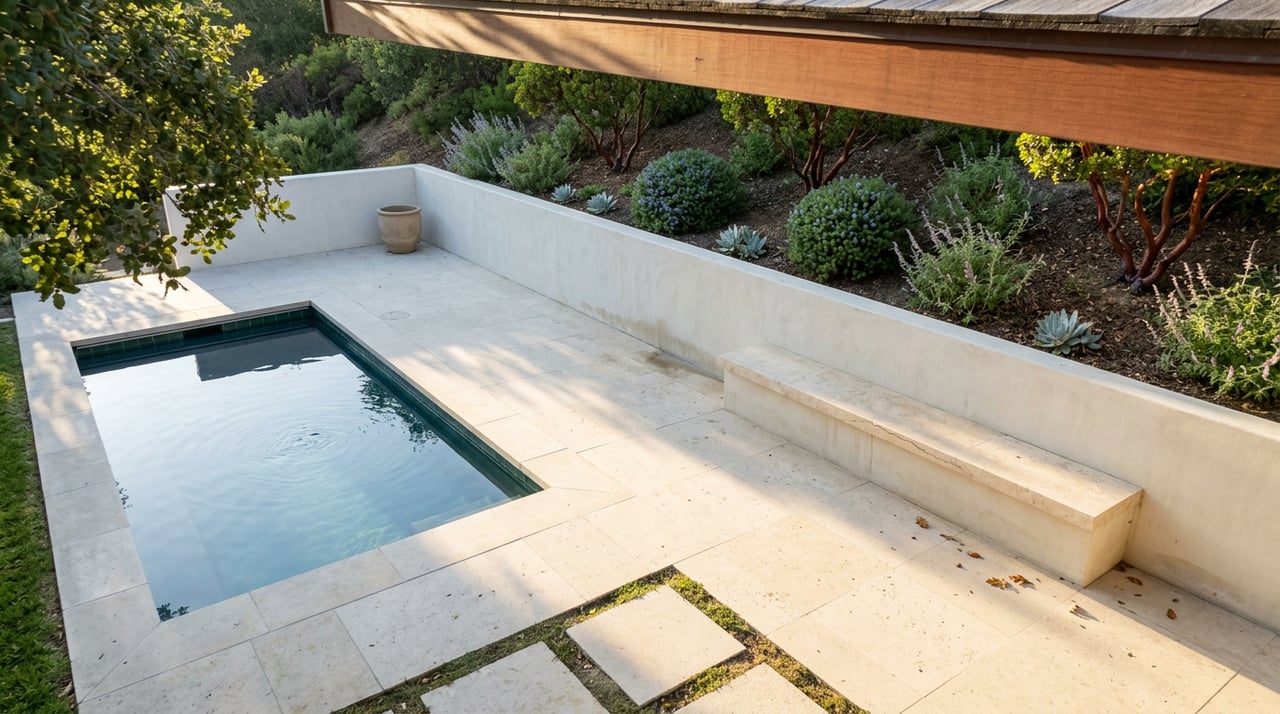
For a brand like NŪHAUS, this is where presentation becomes part of value creation. If a home is architecturally strong but visually tired, a curated refresh can help buyers focus on the setting, the volume, the materials, and the lifestyle the property offers.
If your home is fundamentally sound but looks dated, dark, cluttered, or overly personalized, selective updates may be worth it. The strongest pre-listing improvements are usually the ones that remove distractions rather than reinvent the property.
Recent NAR research points to a few categories that consistently resonate before a sale. REALTORS most often recommend painting the entire home, painting a room, and new roofing before listing. The same research also found strong cost recovery for contained projects like a new steel front door, closet renovation, and new fiberglass front door.
In practical terms, Malibu sellers often benefit most from updates like these:
The goal is not to make the home feel generic. The goal is to make it feel clear, cared for, and easy to understand the moment a buyer walks in.
Staging deserves special attention because it often does more than sellers expect. In the 2025 Profile of Home Staging, 29% of agents said staging led to a 1% to 10% increase in the dollar value offered. Another 49% said it reduced time on market, while 83% of buyers’ agents said staging made it easier for buyers to visualize the property as a future home.
The rooms staged most often were the living room, primary bedroom, dining room, and kitchen. That lines up well with a Malibu selling strategy, where buyers often respond first to the spaces that frame light, views, and indoor-outdoor flow.
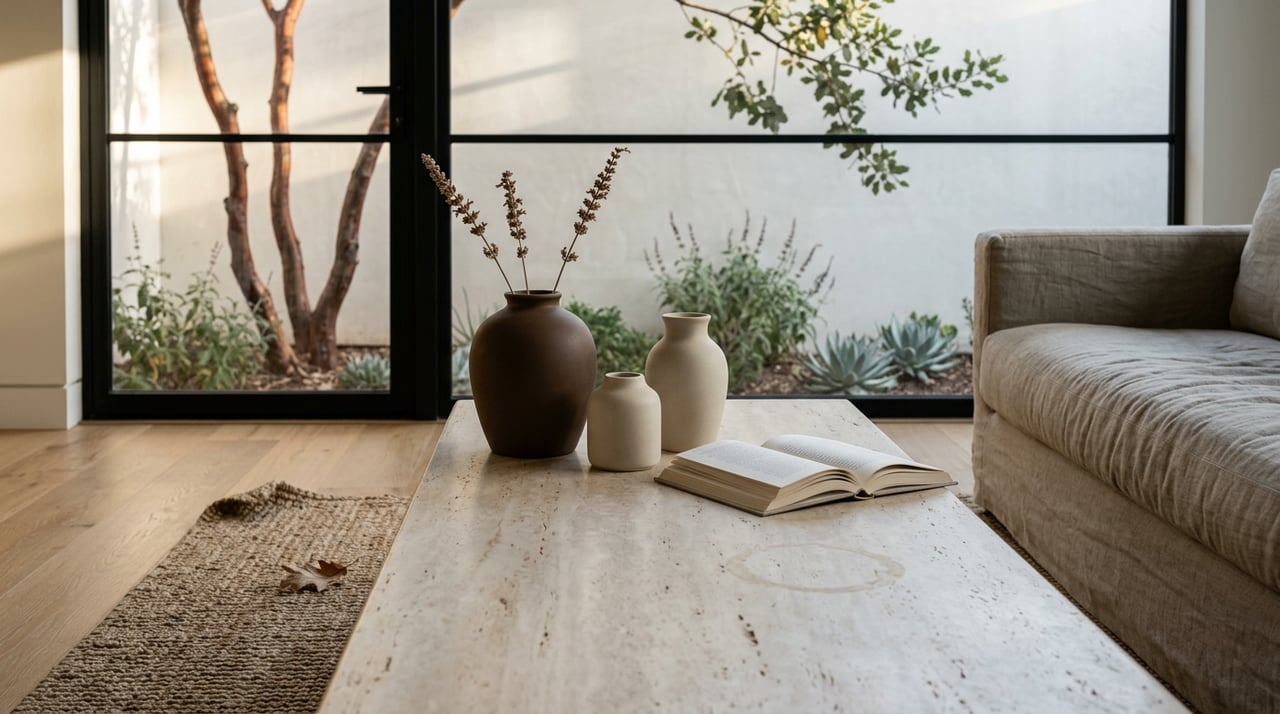
If your home already has strong bones, staging can help reveal them. A well-styled living room can clarify scale. A simplified primary bedroom can create calm. A polished dining area or kitchen can make the daily rhythm of the home feel tangible and inviting.
Not every home should be updated before listing. In some cases, selling as-is is the more strategic and less risky option.
That may be true if your home already has compelling architecture, strong provenance, or an aesthetic that buyers are likely to value as-is. It can also make sense when the main issues are subjective style preferences rather than clear functional or visual problems.
Selling as-is may also be the right move when any meaningful improvement risks triggering a bigger project than you intended. In Malibu, that concern is real because the permitting environment can quickly change the math.
Major pre-listing work is not just about budget. It is also about timing, approvals, and scope risk.
The City of Malibu notes that building, renovating, or repairing a home can be complex because the entire city is within the California Coastal Zone and operates under a certified Local Coastal Program. The city’s major-remodel guidance states that replacing 50% or more of a single-family residence’s exterior walls constitutes a replacement structure requiring a coastal development permit, and work must stop if that threshold is crossed.
For you, this means larger remodels can become much more involved than expected. Additions, exterior rebuilds, and major wall reconfigurations may require more time and more approvals than a near-term listing timeline can comfortably support. That is one of the clearest reasons to avoid broad pre-sale remodels unless you plan to stay and enjoy the result yourself.
If your priority is resale, broad or highly customized remodels are often hard to justify. The 2025 Remodeling Impact Report showed that some projects deliver high homeowner satisfaction without being the strongest for cost recovery.
That distinction matters. A project can feel deeply worthwhile from a lifestyle standpoint but still be less efficient as a pre-listing investment.
In general, sellers should be cautious about:
These projects may improve how you live in the home, but they do not always improve your sale outcome in proportion to their cost and complexity.
For many sellers, the smartest choice is neither a full remodel nor a strict as-is launch. It is a middle path built around selective improvements and strong presentation.
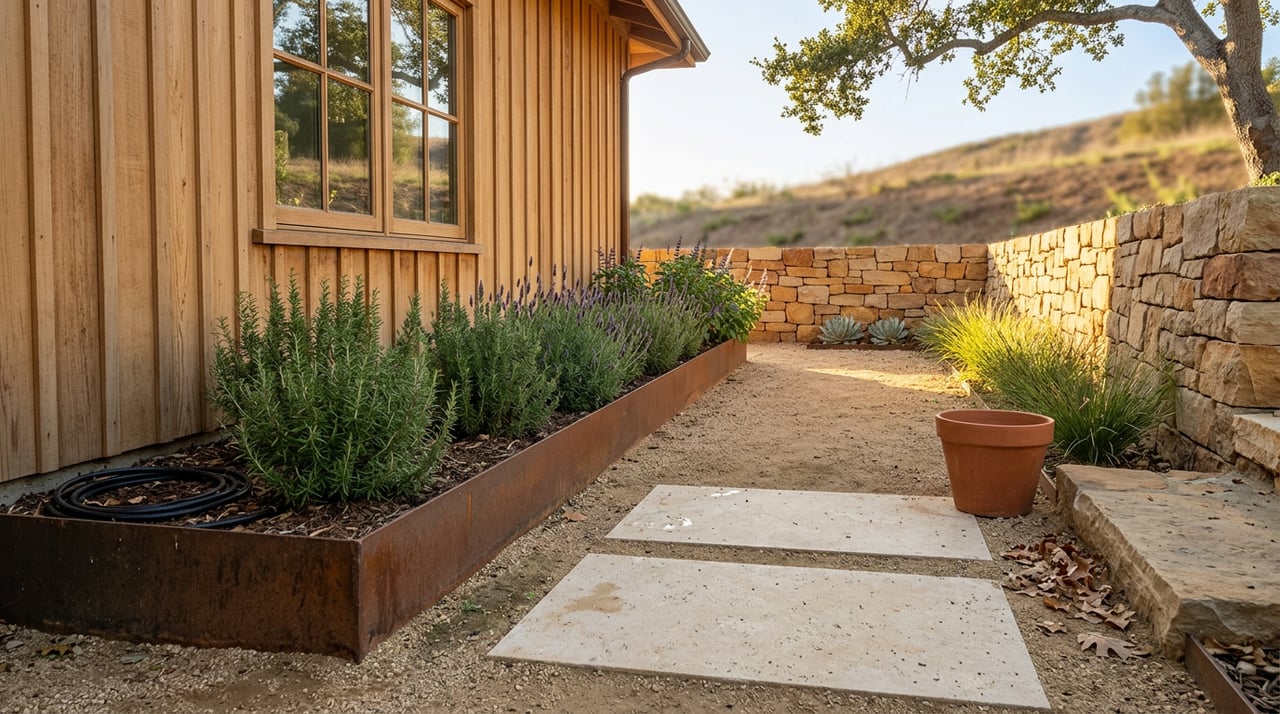
That approach can include paint, staging, decluttering, light flooring work, landscaping, and cosmetic kitchen or bath updates. It keeps the focus on visible changes that improve first impressions without opening the door to major construction risk.
Compass Concierge is designed for this kind of pre-listing work. According to Compass, the program can front the cost of services such as staging, flooring, painting, decluttering, landscaping, and cosmetic kitchen or bath improvements, with zero due until closing. Compass also notes that terms vary by market and that fees or interest may apply depending on state.
For sellers who want to improve presentation without fully self-funding the work upfront, that can create useful flexibility. Compass also notes that its marketing sequence can allow a property to begin as a Private Exclusive or Coming Soon while improvements are underway before the home goes live on the MLS.
If you are deciding between updating and selling as-is, start with three practical questions.
If buyers are likely to focus on worn finishes, clutter, dark rooms, or deferred cosmetic maintenance, a light refresh is often worthwhile. Small changes can help buyers see the home itself rather than the work they imagine ahead.
If the architecture, setting, and condition already tell a strong story, selling as-is may be the better move. In that case, your energy may be better spent on pricing, photography, and strategic marketing than on construction.
If the project could trigger permitting issues, contractor delays, or a larger scope than expected, pause before committing. In Malibu, that risk is one of the strongest arguments for staying disciplined and keeping improvements light.
In Malibu, the best pre-listing decisions are usually the most edited ones. Rather than asking how much you can change, it is often better to ask which changes will help buyers feel the home’s character most clearly.
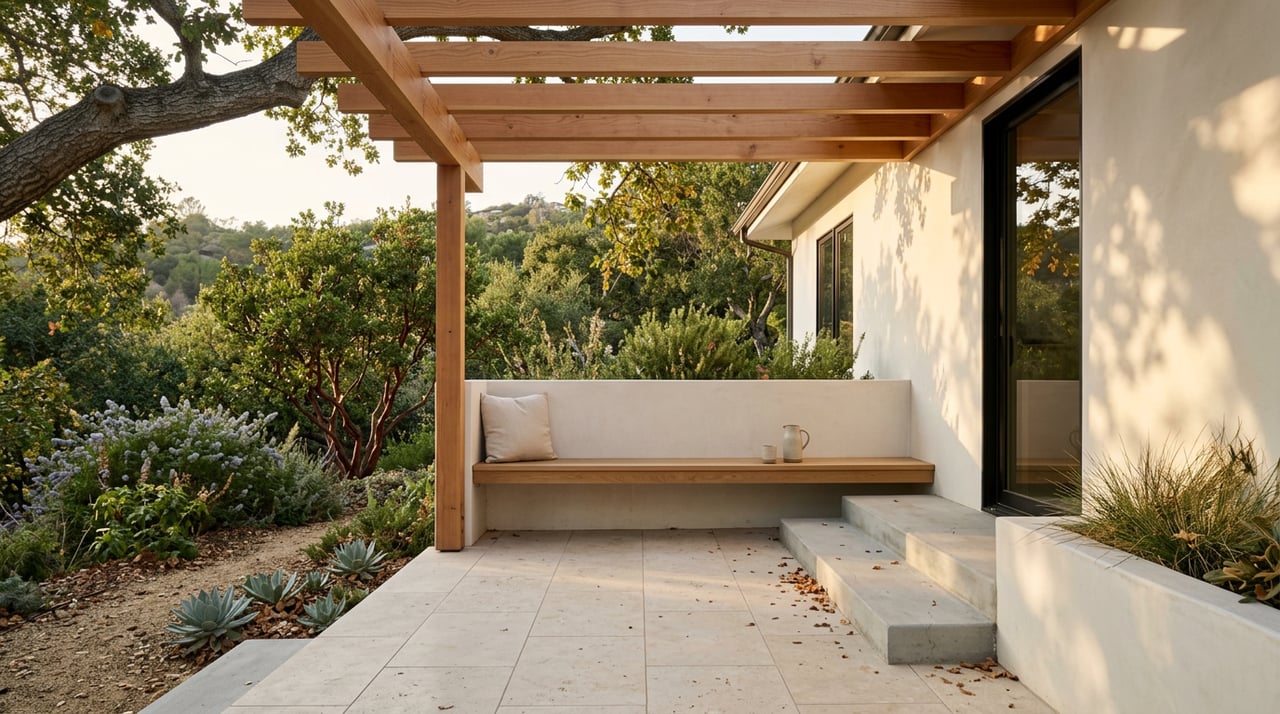
That is especially true for homes with design value, provenance, or a strong relationship to site. A thoughtful presentation plan can preserve what makes the property special while improving how it reads in photography, showings, and buyer perception.
In a selective market, the strongest leverage often comes from visible, low-disruption improvements that sharpen the first impression. That is the essence of a design-first approach: less noise, more clarity, and a sale strategy that supports both your timeline and your home’s story.
If you are weighing whether to update or sell as-is in Malibu, a tailored pre-listing plan can help you spend where it counts and skip what does not. Nuhaus - Olga Crawford can help you assess the home, shape the presentation, and decide on the right path. Let’s tell your home’s story.
Stay up to date on the latest real estate trends.