Topanga vs Malibu vs Pacific Palisades: Which Fits You?
May 28, 2026
May 28, 2026
If you are choosing between Topanga, Malibu, and Pacific Palisades, you are not just picking a zip code. You are choosing the rhythm of your days, the kind of home that fits your lifestyle, and the setting that will shape how you live. Each community offers something distinct, and understanding those differences can help you focus your search with more confidence. Let’s dive in.
At a high level, the comparison is surprisingly clear. Topanga is the most canyon-driven, Malibu is the most ocean-centered, and Pacific Palisades is the most village-oriented. That simple framework can help you quickly narrow where you may feel most at home.
Topanga feels shaped by land, trails, and privacy. Malibu is defined by coastline, beaches, and a strong connection to the ocean. Pacific Palisades blends a residential setting with a compact commercial core, creating a more traditional neighborhood structure.
Topanga has a distinctly canyon identity. Census Reporter shows a population of 8,885 across 19.1 square miles, which points to a relatively low-density setting. The area is also deeply tied to Topanga State Park, which the state describes as an 11,525-acre park with 36 miles of trails and the largest wildland within a major city.
That setting shapes daily life. If you want a place where outdoor access, privacy, and natural terrain feel central, Topanga stands apart. It also carries a strong volunteer and civic culture, with public resources reflecting a community built around local involvement and informal neighborhood networks.
For many buyers, the appeal of Topanga is not sameness. It is the opposite. Homes here often feel site-specific, with parcel shape, slope, privacy, and architectural character playing a big role in how a property lives.
Census Reporter shows 3,638 housing units across Topanga’s 19.1 square miles, with a median owner-occupied value of $1,777,800. Those numbers support what many buyers already sense when they explore the area: this is not a tract-home environment. It is a more varied housing landscape where character and setting matter.
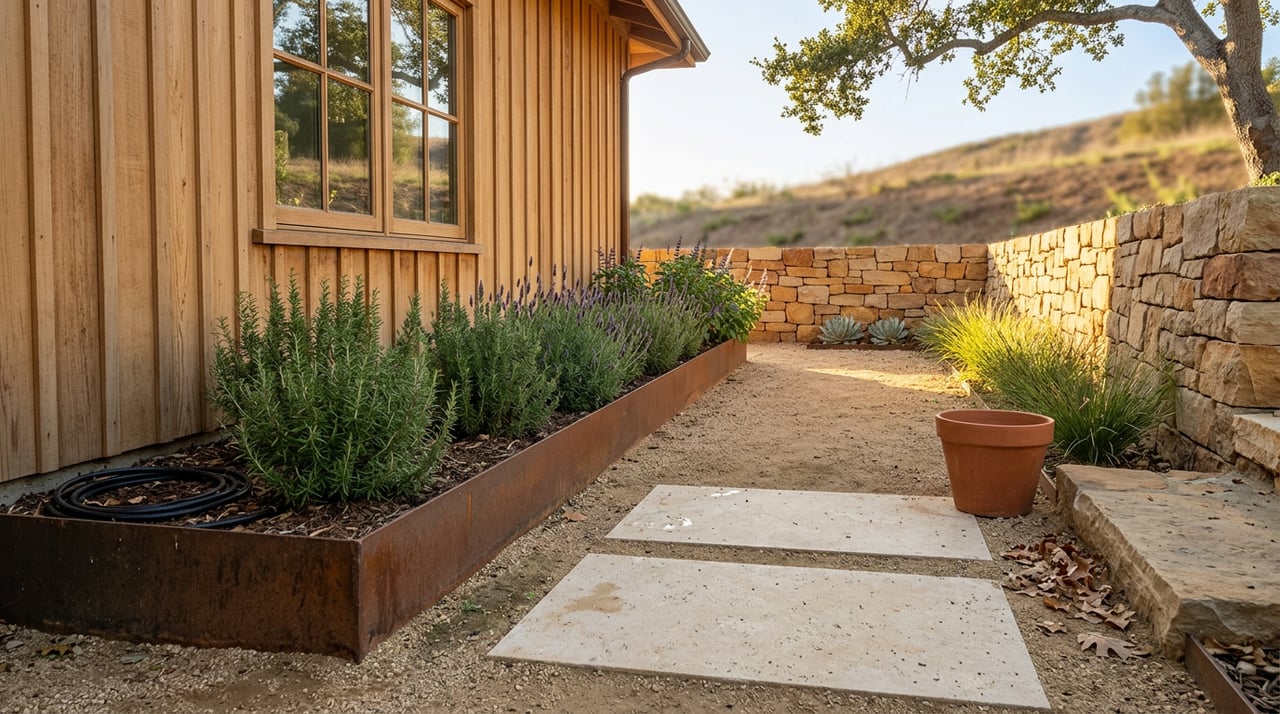
If you are drawn to cabins, hillside homes, compounds, and properties that feel woven into the canyon, Topanga may be your best fit. Buyers who value design character often appreciate how individual each home can feel here.
Topanga can work well for buyers who want a more relaxed, outdoors-connected routine. The canyon setting naturally supports hiking, privacy, and a little more breathing room. It may also appeal to people who prefer a community identity that feels creative and less formal.
For households thinking about schools, Topanga Elementary Charter is a TK-5 LAUSD affiliated charter that highlights STEAM, environmental science, and visual and performing arts. Its official pages say it serves the Topanga attendance area and also accepts non-neighborhood students when space allows.
Malibu is the clearest option if your lifestyle starts with the ocean. The City of Malibu describes itself as a 19.83-square-mile coastal city with 21 miles of coastline. Its official beaches information centers the city around beach access, surf breaks, and life along the water.
That coastal identity shows up in everyday decisions. If you picture morning surf, regular beach time, or simply living with the Pacific as part of your backdrop, Malibu offers the most direct version of that experience. The city’s coastal pages also note that the entire city lies within the coastal zone and is governed by the Local Coastal Program.
For buyers comparing all three communities, Malibu is usually the least ambiguous in feel. You come here because you want the coast to shape your routine.
Malibu’s housing pattern is more detached-home oriented than Topanga or Pacific Palisades. The city’s housing element says single-family detached homes make up about 68% of units. Census Reporter shows 6,434 housing units, a median owner-occupied value of $2,000,001, and Census Bureau QuickFacts reports a 73.8% owner-occupied rate.
This supports a lot-by-lot, house-centered pattern. If you are looking for a stand-alone home environment with a strong coastal identity, Malibu often aligns well. It can be especially appealing to buyers who want a primary residence or second home that feels closely tied to the beach.
Malibu tends to fit buyers who want surf, sand, and a coastline-first routine. Its public-facing identity is built around beaches and access to the water, and that lifestyle can be the main draw. Compared with the village feel of Pacific Palisades or the canyon seclusion of Topanga, Malibu offers the most clearly ocean-based daily experience.
For school planning, the Santa Monica-Malibu Unified School District outlines a Malibu pathway that includes Malibu Elementary, Webster Elementary, Malibu Middle, and Malibu High. Malibu High’s campus page notes that the school is located in the rolling hills one block from the Pacific Ocean and has seen recent facility upgrades.
Pacific Palisades offers a different balance. The CD11 neighborhood page describes it as a primarily residential community with single-family homes, condos, and apartments, plus a small business district at its core called the Village. The area’s specific plan is designed to preserve low-intensity, community-oriented uses and neighborhood character.
If you want a setting that feels organized around residential living with a neighborhood center, Pacific Palisades stands out. You still have access to parkland, hiking trails, and ocean views, but the overall structure feels more conventionally neighborhood-based. For many buyers, that creates a strong sense of balance.
This can be especially attractive if you want everyday convenience without giving up access to the outdoors. The village core adds a practical layer that Topanga and Malibu express differently.
Pacific Palisades has a more mixed built form than the other two communities. The CD11 page describes a housing mix that includes single-family homes alongside condos and apartments. For public-data purposes, ZIP code 90272 offers a helpful proxy, showing 79% single-unit structures, 80% owner occupancy, a median owner-occupied value of $2,000,001, and a median household income of $189,713.
That mix matters if you want options. You may find the area appealing if you want a more established residential framework with some variety in housing type, while still keeping a strong single-family presence.
Pacific Palisades often fits buyers who want neighborhood structure, community services, and access to schools, while staying close to trails and the coast. Public descriptions of the neighborhood emphasize both the residential feel and the compact village center. That combination gives it a different kind of convenience than either Topanga or Malibu.
The school landscape is also broader and more charter-centered. The CD11 page lists Canyon Charter Elementary, Marquez Charter Elementary, Palisades Charter Elementary, Paul Revere Charter Middle School, and Palisades Charter High School. Public school pages also describe the Palisades Charter Complex as a connected network of elementary and secondary schools.
The best choice usually comes down to what you want your home base to feel like when you wake up on a normal Tuesday. If privacy, trails, and a canyon setting matter most, Topanga may feel like the natural answer. If your ideal day starts near the water, Malibu is often the clearest fit. If you want a residential neighborhood with a village center and a more structured community framework, Pacific Palisades may feel right.
You can also think about the kind of housing stock you prefer. Topanga tends to reward buyers who value individuality, terrain, and architectural character. Malibu leans more house-centric and coastal. Pacific Palisades offers a more mixed residential pattern with a stronger neighborhood core.
Another useful filter is how you want to move through daily life. Some buyers want seclusion and nature. Others want beach access to define their routine. Others want a blend of residential calm, local services, and outdoor proximity.
Lifestyle is important, but practical realities matter too. Caltrans has reported that the Topanga Canyon Boulevard, or SR-27, corridor remained an active work zone in 2026 following storm- and fire-related damage. That does not define Topanga, but it is relevant if you are thinking about access and commute patterns.
In Malibu, city materials include a coastal vulnerability assessment focused on sea-level rise and erosion. In Pacific Palisades, LAUSD has documented major recovery and reopening work for Palisades schools following the January 2025 wildfire. These are not reasons to rule a place in or out on their own, but they are part of a smart, grounded comparison.
If you feel torn, start with the lifestyle lens rather than the property sheet. Ask yourself which setting you would miss most if it were gone: canyon trails, ocean access, or a village-centered neighborhood. That answer often tells you more than square footage ever will.
From there, you can refine your search by home style, access needs, and school preferences. In these three communities, fit matters as much as features. When the setting matches your routine and values, the search becomes much clearer.
If you want help comparing homes across Topanga, Malibu, and Pacific Palisades, Nuhaus - Olga Crawford brings a thoughtful, design-savvy approach to canyon and coastal living. Let’s tell your home’s story.
Stay up to date on the latest real estate trends.