How to Price Character Homes in Topanga Canyon
April 2, 2026
April 2, 2026
Wondering how to price a one-of-a-kind Topanga cottage or canyon compound when no two homes feel remotely alike? That is the challenge with character homes in Topanga. You are not just pricing square footage. You are pricing setting, flexibility, usability, and the story buyers can see themselves living. In this guide, you will learn how to think about value with more clarity so you can price with confidence and avoid leaving money or momentum on the table. Let’s dive in.
Topanga does not behave like a fast, uniform tract-home market where recent square-foot averages tell the whole story. According to Redfin’s Topanga housing market data, the February 2026 median sale price was $1.7 million, with a median sale price per square foot of $627, 7 homes sold, and 162 days on market. Redfin also notes that the market is not very competitive, with homes selling about 5% below list price on average and going pending in about 119 days.
That slower, more negotiable backdrop matters when you price a distinctive home. A unique property can still command strong interest, but buyers tend to compare function and risk more carefully. In other words, charm helps, but charm alone does not set the number.
It also helps to understand that public metrics can look different depending on what they measure. Redfin’s sales summary, Realtor.com’s listing snapshot, and Zillow’s home value index are not interchangeable, because each tracks a different part of the market. For sellers, that means a thoughtful pricing strategy should start with context, not a single headline number.
In Topanga, the most useful pricing conversations separate value into four parts. This approach helps you look beyond surface-level charm and focus on what buyers are actually paying for.
The land or site often drives a major part of the value story in Topanga. That includes acreage, privacy, canyon or creek setting, views, parking, and how the property is accessed. Two homes with similar interiors can perform very differently if one offers a more usable site, better light, or a stronger sense of retreat.
Buyers may love original details, but they also pay attention to how the home lives day to day. Renovation quality, updated kitchens and baths, natural light, and openness all matter. Character tends to land best when it is paired with practical livability.
Studios, guest cottages, converted garages, and lower-level flex spaces can make a property feel much more useful. In Topanga, that kind of live-work flexibility often matters to buyers. But these spaces should only be treated as true value-adds when their legal status, permit history, and site constraints support that use.
Wildfire exposure is part of the Topanga pricing conversation. Features tied to defensible space, fire hardening, and evacuation access may shape how secure a buyer feels about the property over time. That does not mean every resilience improvement creates a fixed dollar premium, but it can absolutely influence buyer confidence and offer strength.
Topanga buyers often respond to more than nostalgia. Based on Redfin’s Topanga feature trends, the strongest sale-to-list performance in fall 2025 was associated with features such as 3 bathrooms, alarm systems, skylight windows, mid-century modern style, floor-to-ceiling windows, hardwood floors, guest bedrooms, walk-in closets, and breakfast areas.
The pattern is clear. Buyers appear to reward light, views, and functional space more than raw character by itself. A romantic cabin feel may draw attention, but thoughtful upgrades and livable layouts help justify the price.
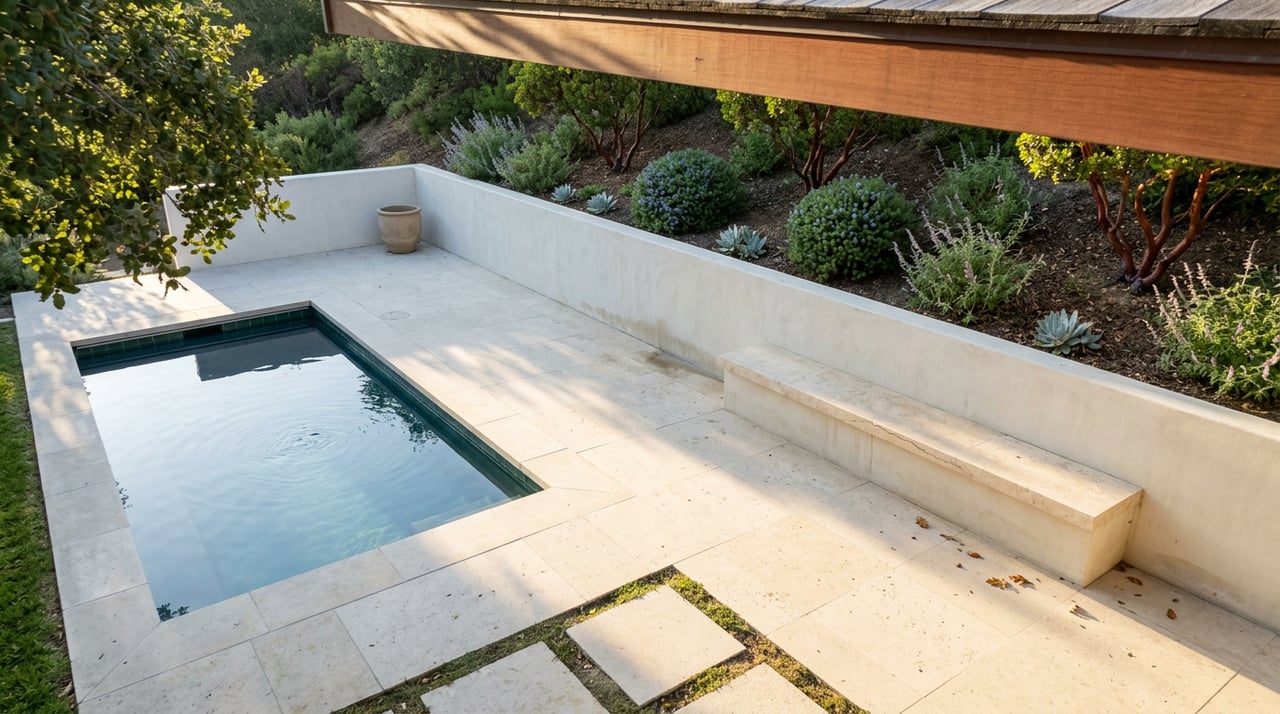
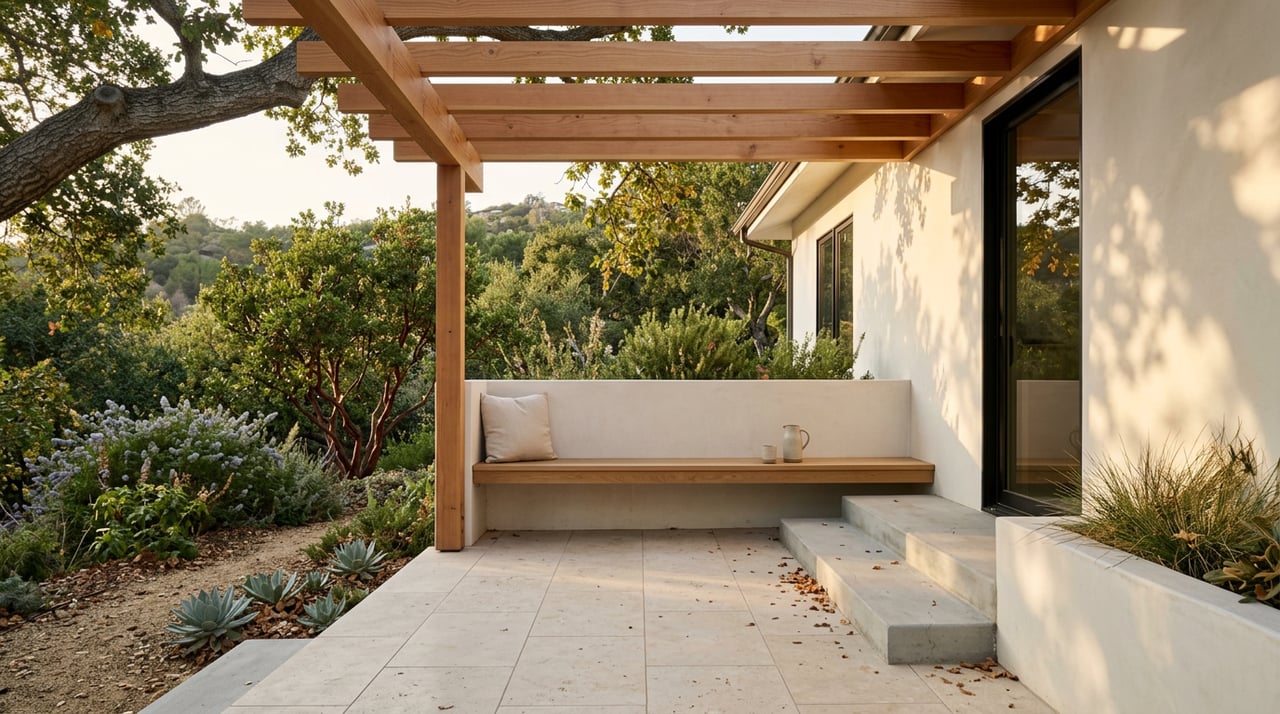
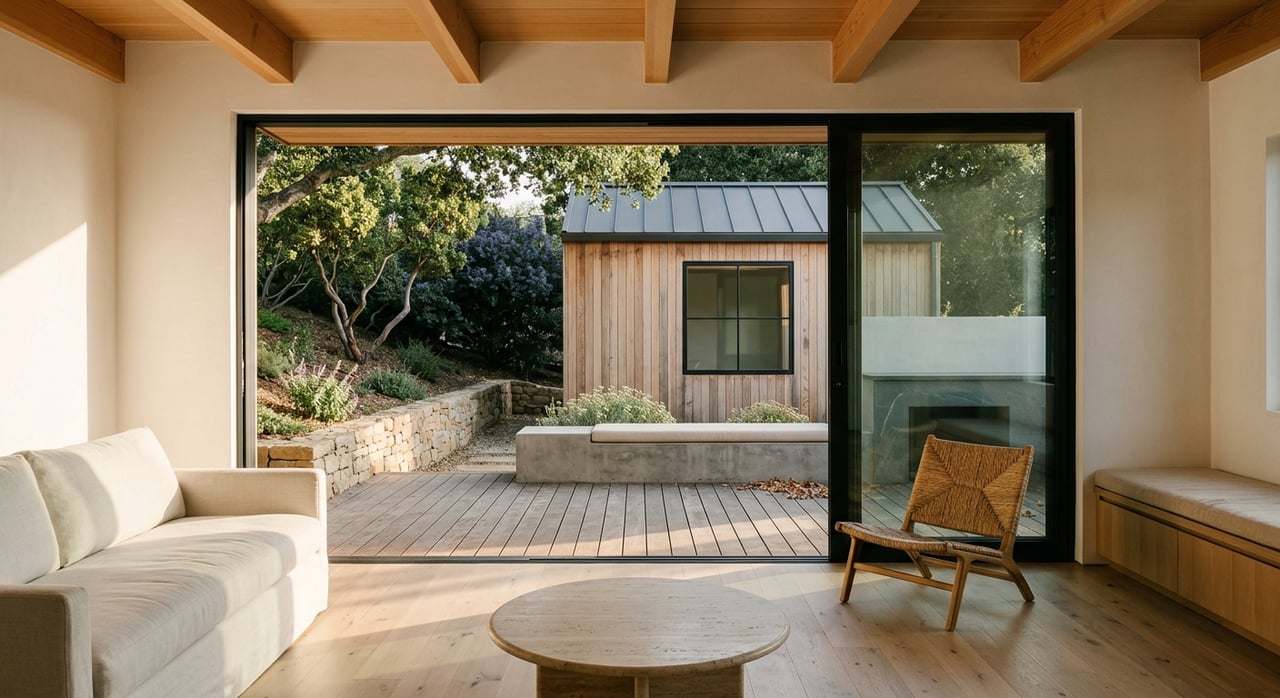
Outdoor living also seems to play an important role in Topanga value conversations. Recent public sales repeatedly highlighted decks, patios, creekside settings, outdoor showers, pool access, and indoor-outdoor flow. While that is an inference from the sales examples rather than a formal premium study, it reflects how canyon buyers often evaluate daily lifestyle use.
Public sales examples show just how wide the pricing range can be for homes with personality. The difference often comes down to land, privacy, usable extras, and the overall package.
A compact home does not always mean a compact result. The sale of 1710 Oak Dr for $1,310,001 in January 2025 was described as a cottage on nearly an acre with a sunroom, wraparound windows, a converted garage used as a music studio, stone patios and decks, a garden room, and an outdoor shower. That mix of character and usable extras likely made it far more compelling than a simple small house.
Another example is 1771 Arteique Rd, which sold for $1,475,000 in September 2025. Its appeal centered on cottage charm, updated finishes, a large deck, and a finished lower level that could function as an office, guest space, or studio. Again, the value was not just the main room count. It was the flexibility.
The sale of 1290 Oakwood Dr for $2,000,000 in April 2025 was marketed as a creekside cottage on almost an acre with a greenhouse-style patio, sauna, and wraparound deck. At 2655 Topanga Skyline Dr, which sold for $2,125,000 in June 2025, the listing emphasized cinematic canyon views, reclaimed hardwood floors, two expansive decks, and a second en-suite with its own entrance.
These examples point to a consistent pricing truth. Buyers appear willing to pay more when a home delivers a full Topanga lifestyle package, not just a charming interior.
At the upper end, larger compounds can command very different pricing when the site and secondary spaces are substantial. The sale of 22575 Monte Vista Dr for $6,500,000 in September 2025 paired more than 30 acres with two guest cottages, a detached gym, a collector garage, off-grid systems, and strong indoor-outdoor flow to a pool.
That kind of property is not simply a larger version of a cabin. It is a compound with multiple value layers, and the pricing reflects that.
Price per square foot can be a helpful reference point, but it is rarely enough for a Topanga character home. One property may have dramatic views, privacy, and a legal studio, while another may have similar square footage but less usable land and fewer flexible spaces. Treating those homes as equals because the interior size looks similar can lead to a flawed list price.
This is especially important in a market where Redfin reports long days on market and room for negotiation. If you price too high based on a broad metric, buyers may hesitate. If you price too low without accounting for your property’s standout features, you may undercut real value.
In Topanga, permit status is part of the pricing conversation, not just a paperwork detail. Because Topanga is in unincorporated Los Angeles County, ADU and accessory-structure questions run through county systems rather than a city department. Los Angeles County offers a pre-approved ADU plan catalog and unincorporated-area processing tools, and its 2024 ADU ordinance amendment allows detached ADUs up to 1,200 square feet, with parking rules that can vary in Very High Fire Hazard Severity Zones.
For sellers, the practical takeaway is simple. If you have a guest cottage, studio, or converted accessory structure, it should be positioned carefully and truthfully. Buyers and appraisers are more likely to assign value confidently when the use is supported by permits and site constraints.
In Topanga, wildfire resilience is not separate from pricing. It is part of how buyers assess risk, maintenance, and long-term confidence in the property. Los Angeles County’s Community Wildfire Protection Ordinance is aimed at improving evacuation egress and reducing risk in Very High Fire Hazard Severity Zones.
County guidance also emphasizes defensible space, fire-resistant materials, and early evacuation planning. A home that shows visible attention to these issues may feel more value-secure than a similar home that does not. While that does not create a one-size-fits-all premium, it can influence how strongly buyers respond.
A confident pricing strategy in Topanga usually comes from balancing data with presentation. You want a number that reflects market realities, but you also want buyers to understand why your home is different.
Use current Topanga conditions as your baseline. In a market with longer selling timelines and more negotiation, an aspirational price without support can backfire. Strong pricing usually creates more serious early interest, which matters even more for unique homes.
Make an honest list of what truly sets the property apart. Focus on items such as:
Not every charming detail deserves equal pricing weight. The goal is to identify the features buyers consistently respond to.
In a market like Topanga, presentation can help buyers understand value faster. Clean styling, thoughtful staging, and strong visual storytelling can make features such as light, layout, and outdoor living feel more legible. That is especially important for design-driven homes where atmosphere matters, but function still needs to read clearly.
The best list price is not just about the highest possible number. It is about where value, buyer psychology, and market timing meet. In a negotiable market, that often means choosing a price that invites engagement rather than resistance.
Topanga character homes are priced on more than charm. Buyers are often weighing land, light, outdoor usability, flexible secondary space, and wildfire readiness alongside the emotional appeal of the house itself. When those pieces are understood and presented clearly, pricing becomes much less guesswork and much more strategy.
If you are preparing to sell, a thoughtful value conversation can help you position your home with clarity from the start. That is where local context, strong presentation, and measured storytelling matter most. If you want help pricing and presenting a Topanga property with care, connect with Nuhaus - Olga Crawford. Let’s tell your home’s story.
Stay up to date on the latest real estate trends.