Your Topanga Home Sale Staging & Preparation Plan
May 7, 2026
May 7, 2026
Selling in Topanga is rarely a simple paint-and-photographs exercise. When your home sits in a canyon setting with character, terrain, and a long list of details buyers will notice, the smartest sale often starts well before you go live. With the right plan, you can reduce surprises, present the property beautifully, and move into market with more confidence. Let’s dive in.
Topanga homes ask for a different kind of preparation than many city properties. Los Angeles County’s Santa Monica Mountains Coastal Zone map includes Topanga, and the county says this Coastal Zone is entirely within the Very High Fire Hazard Severity Zone. The county’s Hazards Area also includes fire, geologic, seismic, and flood concerns.
That context shapes how buyers evaluate a home. They are often looking closely at access, drainage, visible maintenance, roof and vent condition, decks, and the overall sense that the property has been cared for thoughtfully. In Topanga, preparation is part presentation and part risk reduction.
CAL FIRE also notes that wildfire readiness combines home hardening with defensible space, and that 100 feet of defensible space is required by law, with local agencies able to set stricter standards. For sellers, that means exterior readiness is not just about curb appeal. It is part of the home’s market story.
If you want to avoid last-minute price reductions or repair negotiations, start with a clear-eyed review of the property. California Department of Real Estate guidance for homebuyers highlights electrical, plumbing, and structural integrity, and that same lens is useful for sellers before listing.
In practical terms, your early walk-through should usually focus on the systems and features most likely to affect confidence during escrow. That often includes:
This is where a Topanga sale becomes strategic. You do not need to overhaul every inch of the property, but you do want to identify what affects safety, disclosure, permits, or a buyer’s first impression.
Permit history matters in any sale, but it can matter even more for a property with additions, decks, upgrades, or outdoor improvements. Los Angeles County says permits are generally needed for additions or alterations, roof and window repairs, electrical, plumbing, and mechanical work, grading, solar, pools, and similar improvements.
For some properties, the local rules can go further. In LA County Fire Department service areas, new construction and remodeling of 50 percent or more in Fire Hazard Severity Zones require Fuel Modification Plan approval before the project can move forward. In the Santa Monica Mountains Coastal Zone, development generally requires a Coastal Development Permit.
The takeaway is simple: before you invest in major pre-list work, verify what has been permitted and what would be required for anything new. A tight, well-documented scope is often better than starting a larger project that could create delays.
One of the most effective ways to reduce escrow friction is to get ahead of disclosures early. California requires a Transfer Disclosure Statement, which must be delivered as soon as practicable before transfer of title. The state also mandates a Natural Hazard Disclosure Statement for hazards such as flood, fire, earthquake fault, and seismic zones.
For single-family homes in a high or very high fire hazard severity zone that were built before January 1, 2010, California Civil Code section 1102.6f adds a separate fire-zone notice. These are not small details. They shape how buyers understand the property and the timing of their decision-making.
Timing matters too. If a required disclosure is delivered after an offer has already been signed, the buyer may have 3 days after in-person delivery or 5 days after delivery by mail or electronic record to terminate. That is one reason early disclosure prep can help keep a transaction on steadier ground.
The Natural Hazard Disclosure form also warns that hazard zones may affect development, insurance, or disaster assistance. When those facts are organized and presented early, you give buyers a clearer picture and reduce the chance of a late-stage surprise.
For most Topanga sellers, the goal is not a dramatic remodel before listing. The goal is a disciplined plan that improves confidence and protects the home’s character.
A useful rule is to prioritize repairs in this order:
That often means fixing the roof leak before replacing perfectly good tile, or stabilizing a deck issue before redesigning a bathroom. The smartest pre-list budget usually goes toward the items that influence inspections, disclosures, and perceived care.
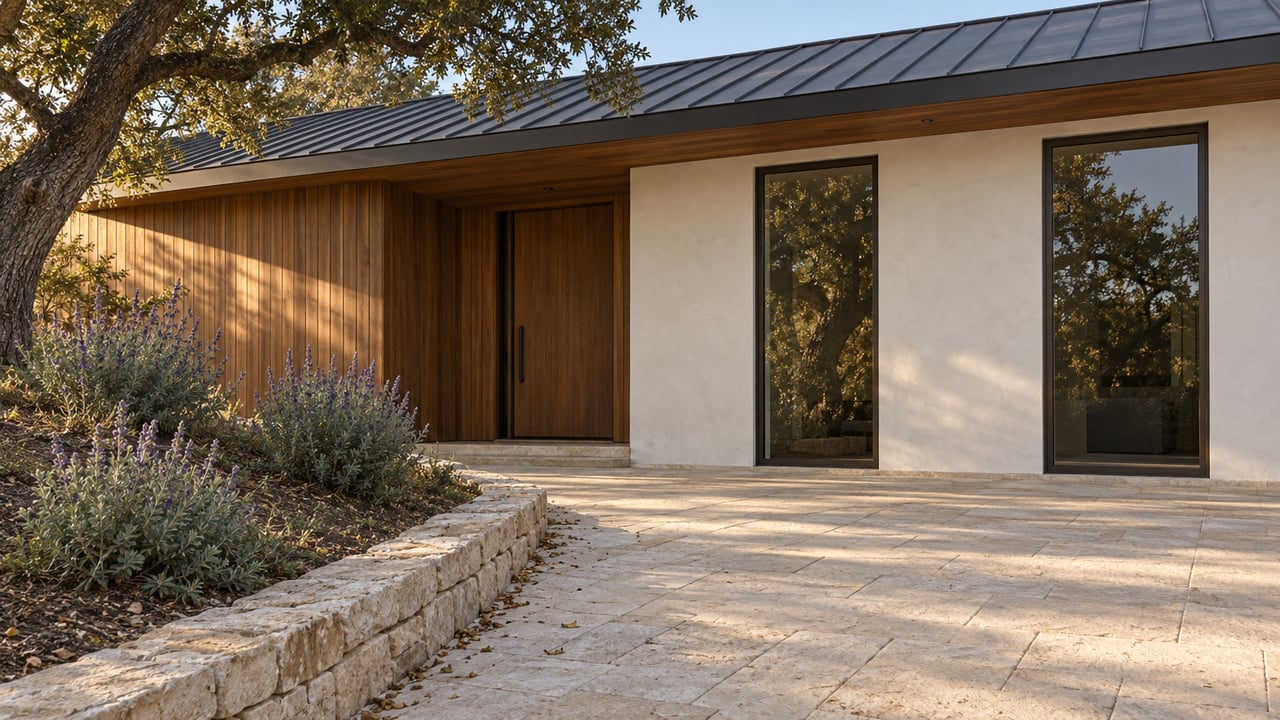
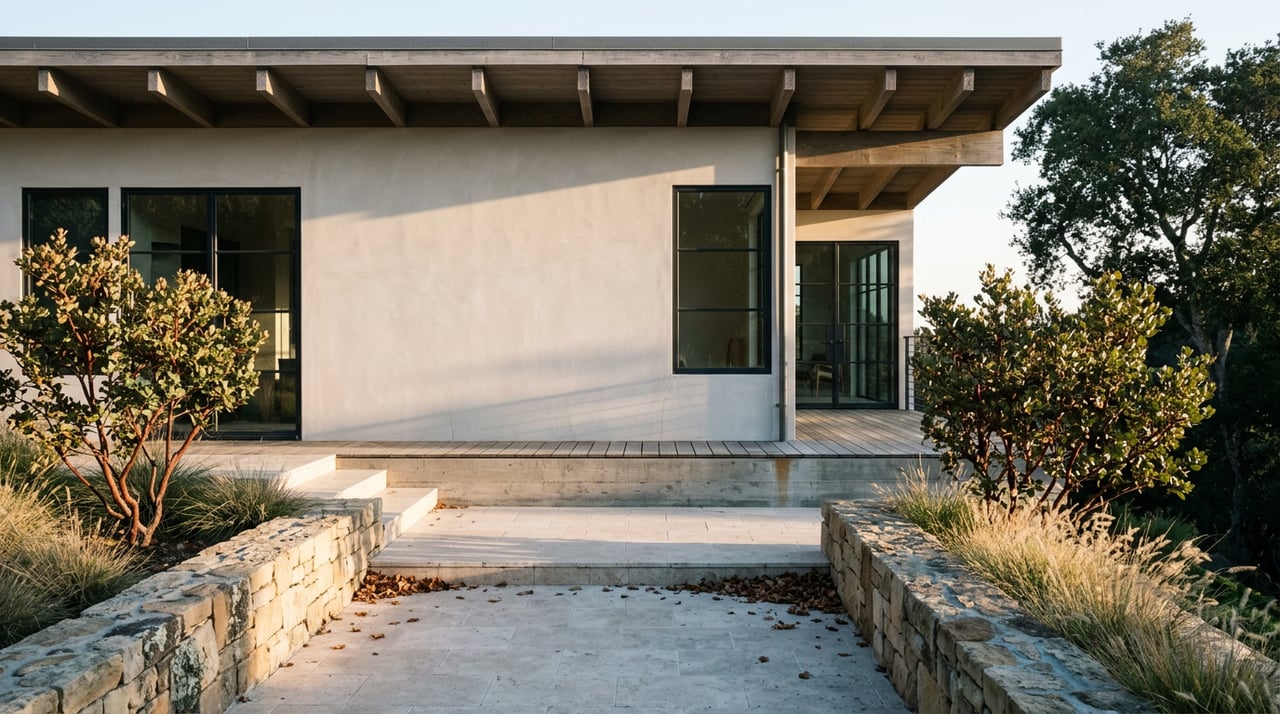
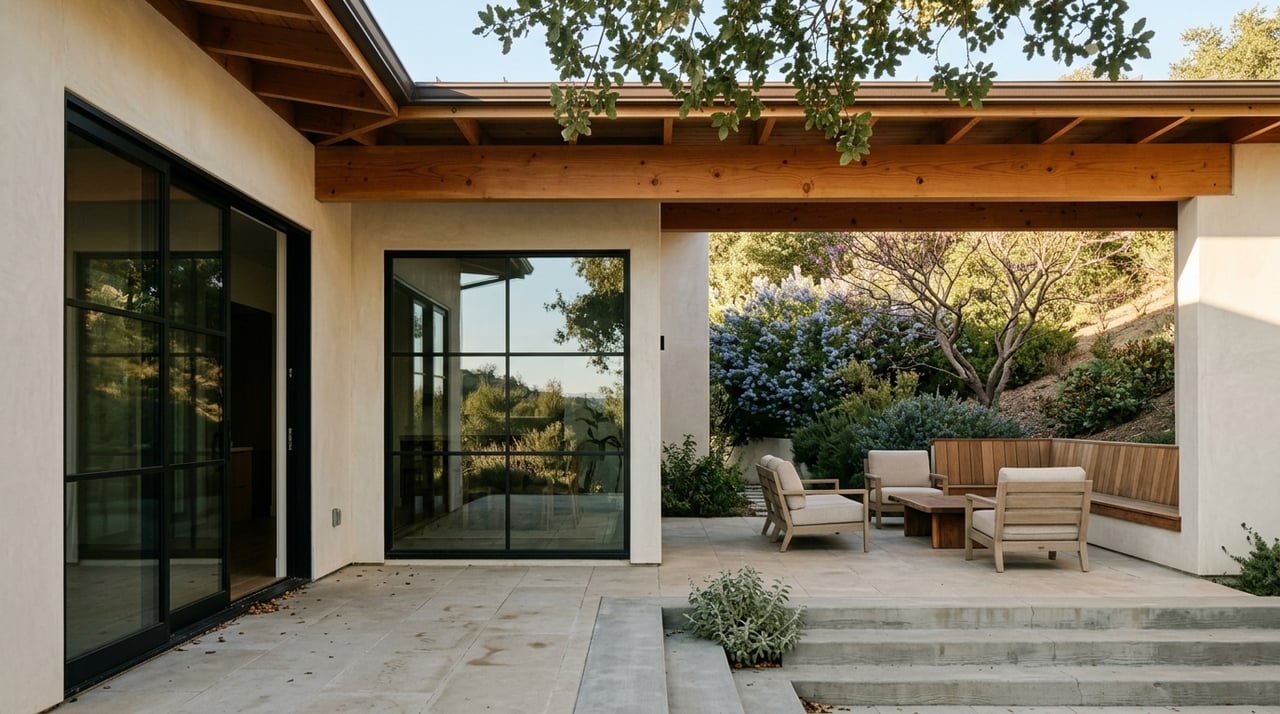
In Topanga, the exterior often speaks first. Buyers may see the driveway, access road, entry sequence, vegetation, drainage patterns, and outdoor living areas before they fully absorb the interior.
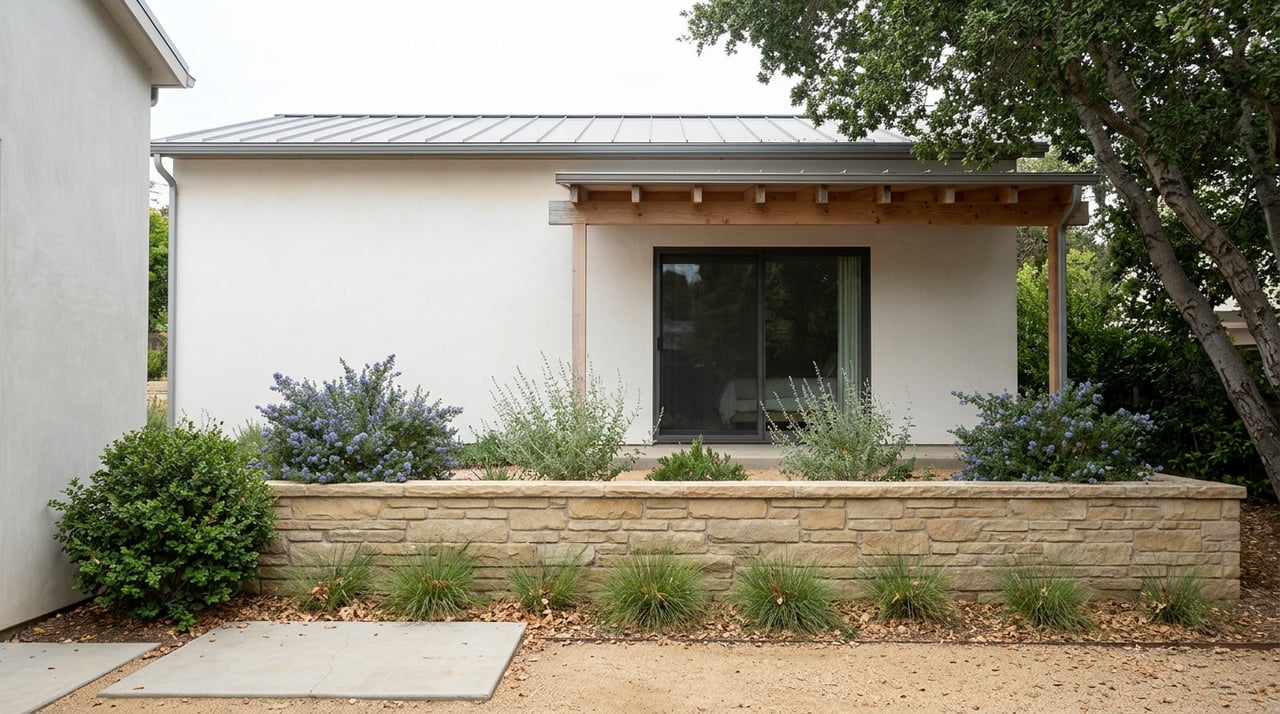
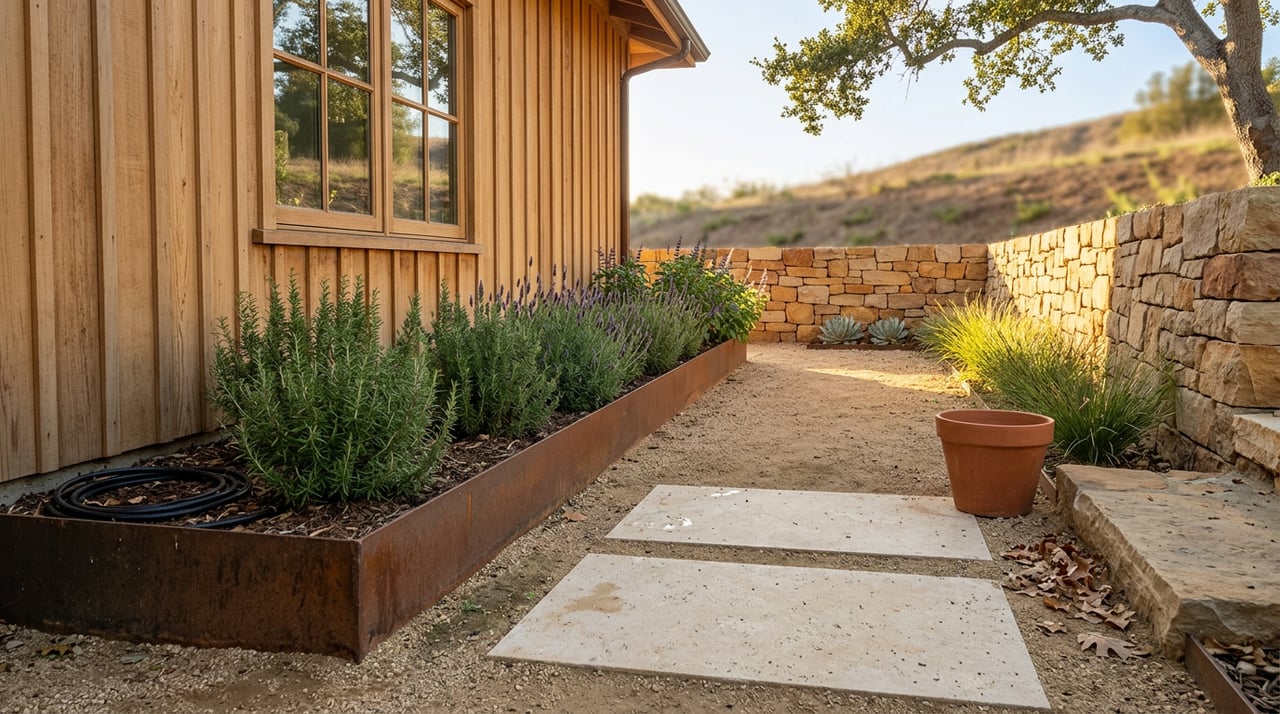
That makes exterior readiness a core part of sale planning. Defensible space, trimmed vegetation, maintained pathways, clean gutters, and visible drainage management can all support a stronger first impression. They also help signal that the property has been responsibly maintained in a canyon environment.
This does not mean stripping away the home’s natural setting. It means editing it carefully so the landscape feels intentional, safe, and easy to understand.
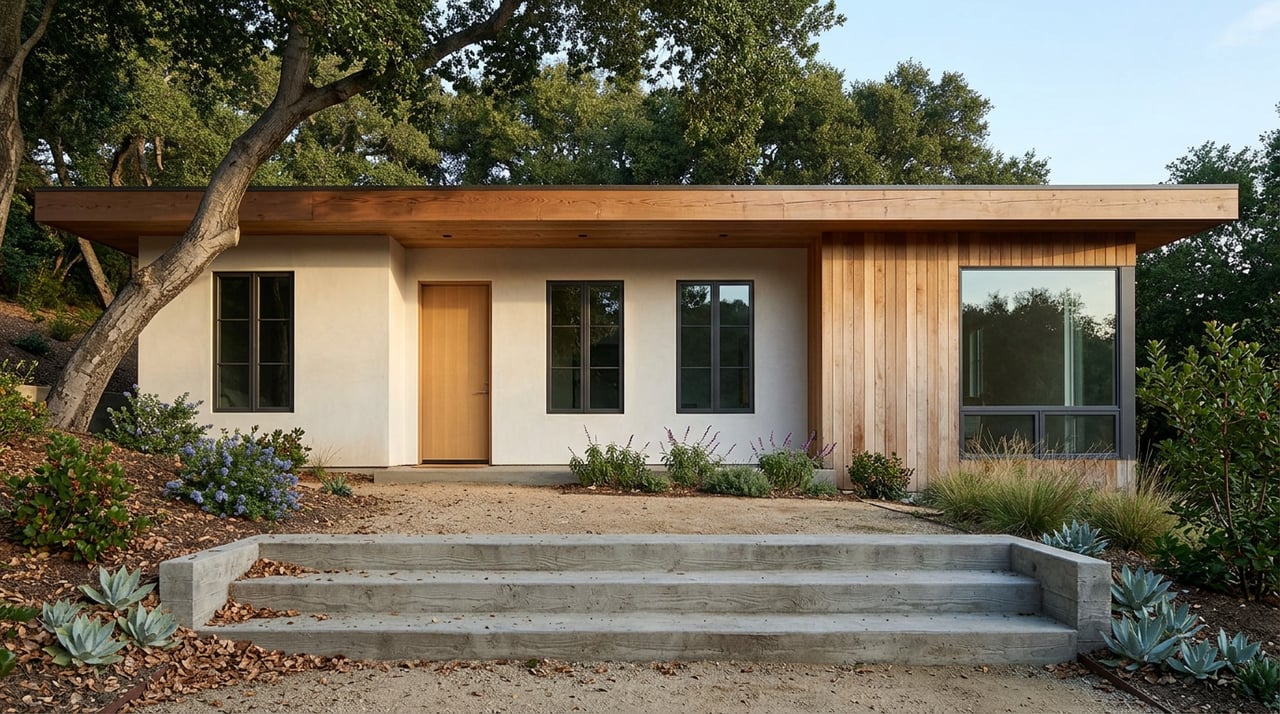
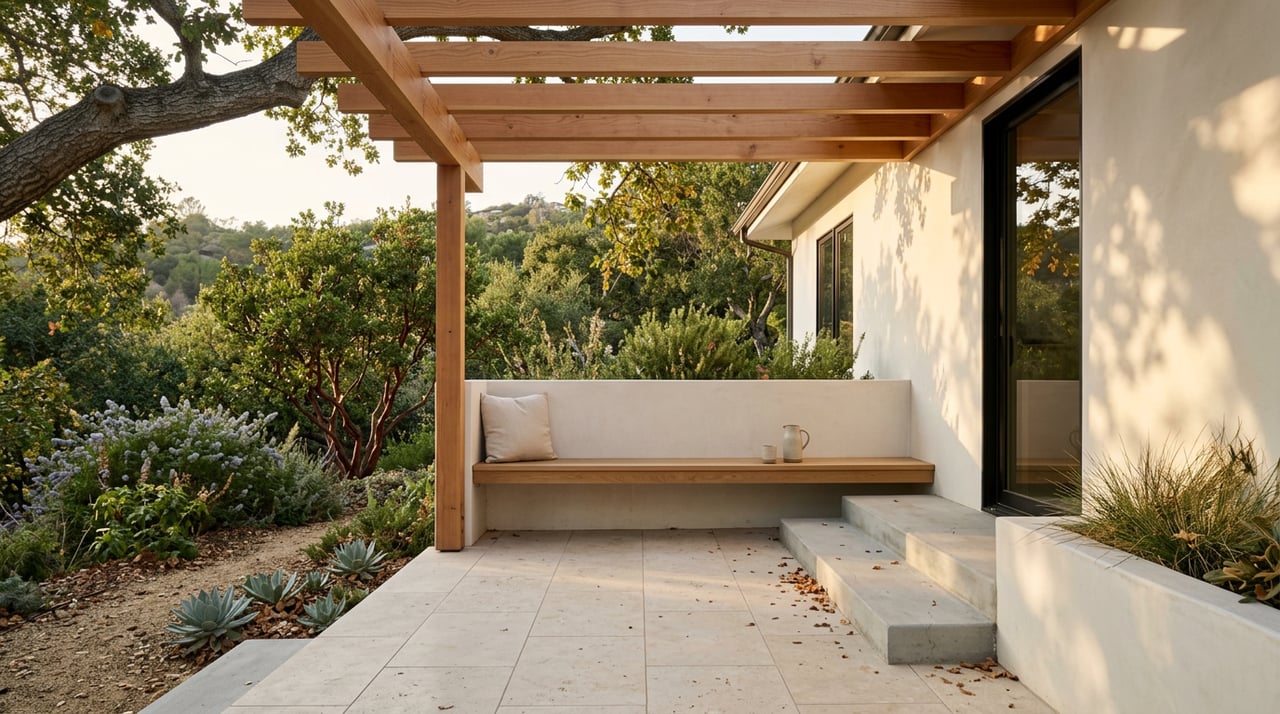
Topanga buyers are often drawn to feeling as much as floor plan. Cabins, cottages, and compounds tend to resonate because of light, materials, views, privacy, and indoor-outdoor flow. Your staging plan should help those elements come forward.
The 2025 National Association of Realtors staging report found that 49 percent of sellers’ agents saw staged homes sell faster, and 29 percent saw a 1 percent to 10 percent increase in offered value. The most common prep recommendations were decluttering, cleaning, and improving curb appeal, while the most commonly staged rooms were the living room, primary bedroom, dining room, and kitchen.
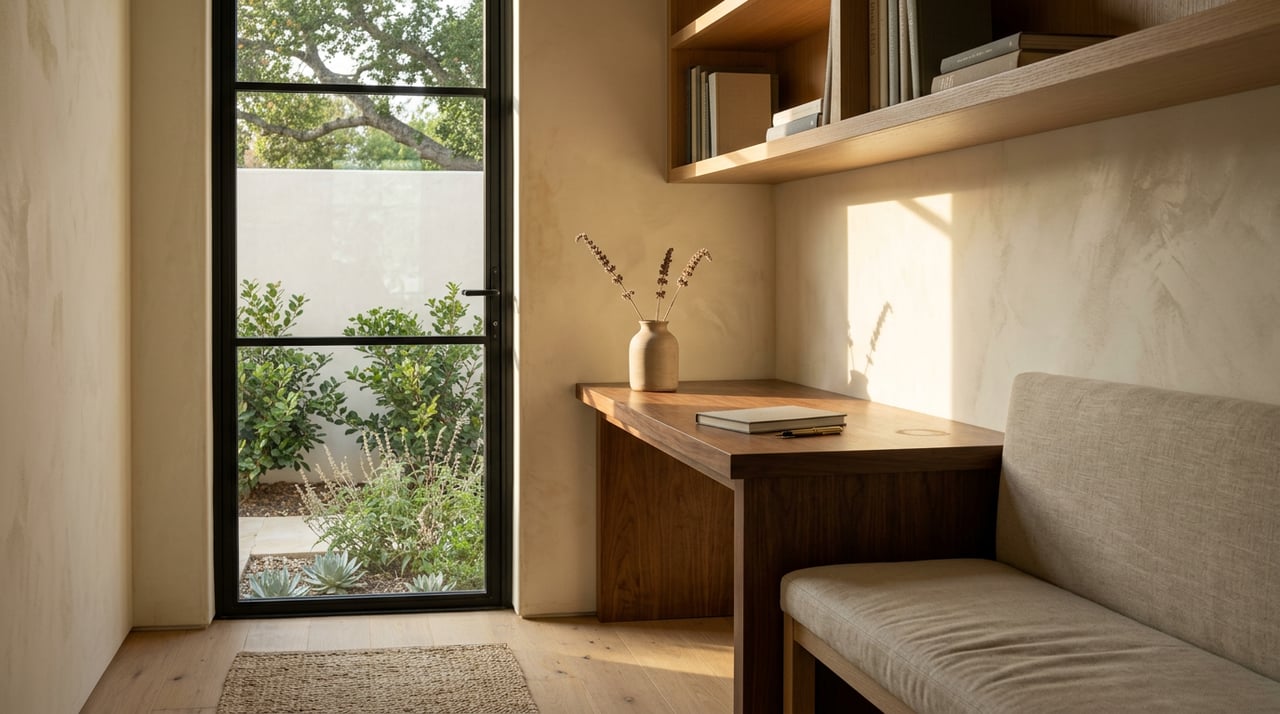
For a Topanga property, staging often works best when it preserves personality while removing visual noise. Think fewer personal items, lighter furniture placement, and a cleaner read on wood, stone, windows, and the connection to the outdoors. The goal is not to genericize the home. It is to let the architecture and setting do more of the talking.
Some sellers are ready to pay for improvements upfront. Others would rather preserve cash and repay costs through the sale. If pre-list updates would help your home compete more effectively, funding strategy becomes part of the plan.
Compass Concierge can help fund pre-list improvements such as staging, flooring, painting, landscaping, deep cleaning, cosmetic renovations, and some repair categories. Compass states that the program fronts certain improvement costs, with repayment due when the home sells, the listing ends, or 12 months pass from the start date. Fees or interest may apply depending on the state, and eligibility is not guaranteed.
Compass also describes a phased launch approach that can include Private Exclusives before the home is market-ready, Coming Soon as work nears completion, and then full MLS and third-party exposure. For a Topanga property with a strong story and a few strategic improvements still underway, that kind of rollout can create breathing room.
A well-paced timeline can make the entire process feel more manageable. Here is a simple framework based on the research.
Start with the big picture. Order a pre-list inspection, review permit history, decide which issues are safety, disclosure, or cosmetic, and choose how you want to fund any improvements.
Complete approved repairs and address defensible space and home-hardening items. This is also a good window to decide whether staging or a phased Compass launch would improve your positioning.
Deep clean, declutter, and prepare for photography. Gather receipts, permits, and disclosure materials so they are easy to organize when buyer interest picks up.
Make sure the home shows the way the photos promise. Keep the yard, entry, and key living spaces consistently ready, and have the disclosure packet prepared for serious buyers.
If you want the least stressful path to market, resist the urge to turn sale prep into a major construction project. In Topanga, large-scale remodel decisions can quickly involve permits, timeline risk, and added complexity.
A tighter scope is often the better move. Fix what affects safety, permits, disclosures, and first impression, then present the home with care. That approach respects both the realities of the local market and the character that makes these properties special.
A great Topanga sale is rarely about making a home look like everything else. It is about understanding what buyers will question, what they will value, and how to present the property with clarity and confidence. When you pair smart prep with design-led presentation, you give your home its strongest chance to stand out for the right reasons.
If you are thinking about selling a cabin, cottage, or compound in Topanga, thoughtful planning can make the process smoother from the start. Nuhaus - Olga Crawford can help you shape the prep, refine the presentation, and bring your home to market with care. Let’s tell your home’s story.
Stay up to date on the latest real estate trends.