Why can two Malibu homes a mile apart feel worlds away in price? When you shop or list in Malibu, micro-markets shape value more than any single design choice. View corridors, beach access, lot type, hazards, and permitting all shift what buyers will pay and how long a property stays on the market. This guide breaks down those differences, then gives you a clear playbook to compare options and plan your strategy. Let’s dive in.
Malibu micro-markets at a glance
Beachfront corridors
Beachfront strips like Carbon Beach, Broad Beach, Malibu Colony, and select Point Dume frontage offer direct sand access or immediate adjacency. Deeded or private access, continuous ocean views, and lot width facing the water tend to command the highest premiums. HOA controls and private roads can add privacy and stability, which many buyers value.
Blufftop and ocean-view
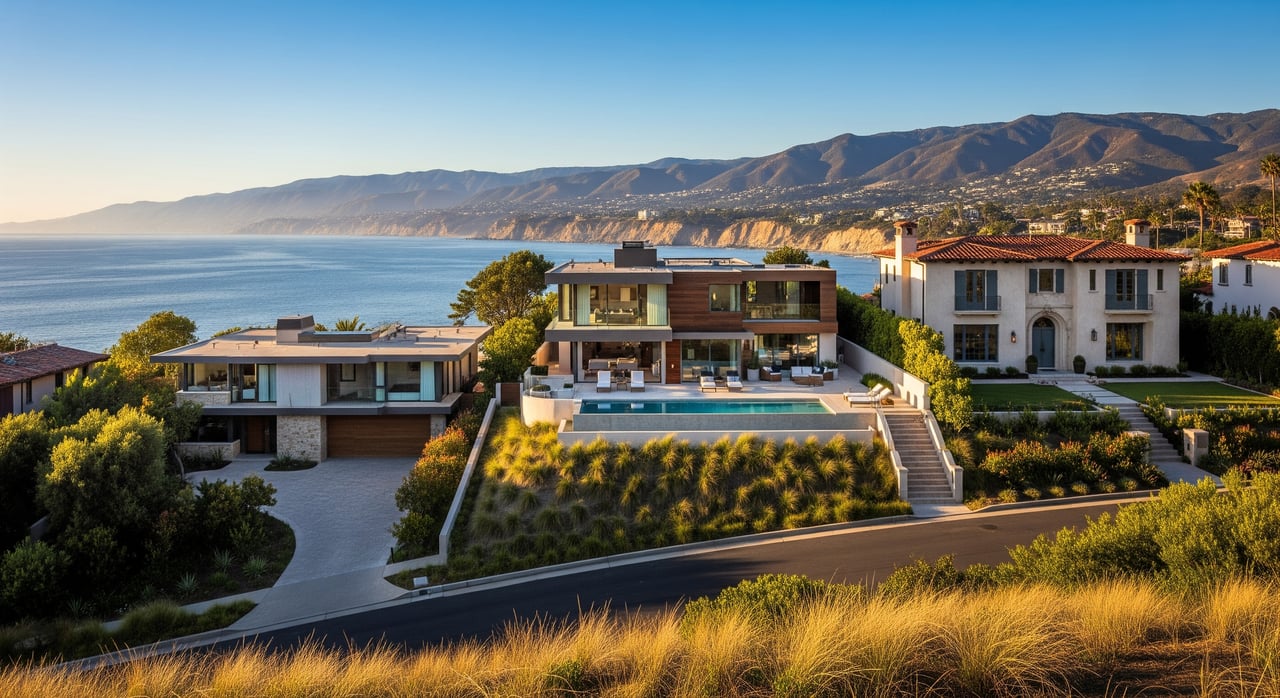
Blufftop and elevated parcels deliver big vistas without always offering sand access. Value depends on elevation, view continuity, privacy, and usable flat area. Setback requirements and bluff stability matter, so buildability and permitting often shape both price and timing.
Canyon-adjacent communities
Areas like Malibu Canyon, Latigo, Las Flores, Serra Retreat, and Encinal Canyon offer acreage, seclusion, and a wooded feel. Buyers who want privacy and room to spread out look here. Values vary widely based on slope, usable flat space, views, and wildfire risk.
Inland pockets and ridgelines
Neighborhoods off PCH, including Malibu Park and pockets near Kanan, trade ocean frontage for larger usable yards, easier access to services, and lower coastal hazard exposure. These areas often offer entry points that sit below direct beachfront pricing while still benefitting from the Malibu address and lifestyle.
What drives value in Malibu
Ocean view corridors
Unobstructed ocean views are Malibu’s strongest single value driver. A panoramic, continuous horizon typically outperforms partial or peek views. View permanence matters too. If a neighbor’s buildable parcel could block a corridor, the property is worth less than one buffered by protected open space.
Beach access types
Deeded private access or direct beachfront lots are rare and highly prized. Proximity to public access points boosts appeal, but not to the level of private or deeded access. The sand itself matters. Broad, sandy frontage usually outperforms rocky or cove edges for typical buyers. Access can involve coastal rules, so always factor potential easements and conditions that the California Coastal Commission or the Malibu Local Coastal Program may impose.
Lot type and topography
Flat beachfront lots are the most scarce, and that scarcity drives price. Blufftop lots bring elevation and vistas, but setbacks, erosion, and geotechnical constraints can limit expansion. Sloped canyon and ridgeline properties can deliver drama and privacy, yet the usable flat area and development cost will influence the outcome more than square footage alone.
Community, services, and infrastructure
Gated enclaves and HOAs can help preserve privacy and building standards, which supports price stability. Infrastructure varies. Some areas rely on septic systems while others have municipal sewer. Road type, maintenance, and distance to daily services all affect how certain buyers compare options. For local rules and zoning context, start with the City of Malibu Planning Department.
Hazard exposure and insurance
Coastal erosion, sea-level rise, flooding, and wildfire risk are real value drivers because they affect insurability and buyer pools. Check FEMA flood maps for flood zones, use the NOAA sea level rise viewer for forward-looking exposure, and review CalFire Fire Hazard Severity Zones for canyon properties. If standard carriers are limited, buyers may face higher premiums or specialty policies, which can influence price. For current guidance, consult the California Department of Insurance.
Permitting and the coastal zone
Much of Malibu sits in the coastal zone, so your project may require a Coastal Development Permit. Bluff setbacks, shoreline armoring limits, and Local Coastal Program rules can affect what you can build and when. You can review coastal jurisdiction basics with the California Coastal Commission and check local implementation with the Malibu Local Coastal Program. Geotechnical and shoreline reports are common preconditions for significant improvements.
Buyer playbook by micro-market
Beachfront
- Verify beach access type, deeded or private, and any public easements or conditions.
- Order insurance quotes early, including flood and coastal coverage. Cross-check with FEMA flood maps.
- Review geotechnical history, seawall or protective structure records, and any past coastal permits.
- Confirm septic versus sewer and capacity. For local rules, consult the City of Malibu Planning Department.
- Ask about seasonal changes in beach width, access interruptions, or storm impacts.
Blufftop and ocean-view
- Obtain a recent geotechnical report and clarify bluff setbacks and stability.
- Confirm view permanence, including any view easements or neighbor build rights.
- Check slope conditions, drainage, and access road maintenance.
- Review past and pending permits within the Malibu Local Coastal Program.
Canyon-adjacent
- Assess wildfire exposure using CalFire Fire Hazard Severity Zones and discuss defensible space.
- Obtain insurance quotes early, then review any mitigation documentation.
- Evaluate slope stability, usable flat area, and emergency access routes.
- Consider future maintenance needs for private roads and drainage.
Inland pockets and ridgelines
- Confirm utility setup, septic or sewer, and any neighborhood HOA rules.
- Weigh usable yard and outdoor living potential against view trade-offs.
- Check commute patterns and proximity to services without making qualitative claims about schools.
- Review any planned nearby development that may affect views or traffic.
Seller strategy by micro-market
Beachfront sellers
- Prepare title clarity on access, plus any public easement records.
- Provide recent coastal and geotechnical documentation where available.
- Offer preliminary insurance guidance to reduce buyer uncertainty.
- Stage to emphasize horizon continuity, indoor to outdoor flow, and discreet privacy.
Blufftop and ocean-view sellers
- Compile geotechnical history, erosion or mitigation work, and permit files.
- Map the view corridors and call out view protections if recorded.
- Stage to frame the ocean plane from main living areas and primary suites.
Canyon-adjacent sellers
- Document wildfire mitigation, defensible space, and any inspections or improvements.
- Highlight usable flat areas, trail access, and privacy while staying neutral about schools.
- Stage to bring light, warmth, and clarity to floor plans that span multiple levels.
Inland pocket sellers
- Showcase yard usability, parking, and easy daily-living features.
- Provide septic or sewer documentation and maintenance records.
- Stage to express a calm, turnkey lifestyle with simple indoor to outdoor flow.
If pre-listing updates would lift your outcome, ask about capitalized improvements through Compass Concierge. Thoughtful, design-forward preparation can compress days on market and widen your buyer pool without overcapitalizing.
Compare comps like a pro
- Segment by micro-market first. You will not get useful insight if you lump beachfront with canyon or inland parcels.
- Compare normalized cohorts, for example 3-bed, 2-bath homes with similar lot types and usable flat area.
- Classify views precisely, panoramic ocean versus partial ocean versus canyon or none, and weigh view permanence.
- Note beach access type and any HOA context. Access and shared controls influence price stability.
- Incorporate hazard context, FEMA flood zones, sea-level projections via the NOAA sea level rise viewer, and wildfire severity with CalFire maps.
- Track days on market and sale to list ratio within the same cohort to see how the market rewards certain features.
- When bluff or shoreline conditions are part of the story, consult geotechnical assessments and review USGS coastal hazards resources.
Presentation that matches place
Staging is not just decoration, it is context. In Malibu, the story you tell should align with the micro-market.
- Beachfront: edit to the horizon, use light, reflective textures, and flexible living zones that connect to the deck or sand.
- Blufftop: keep sightlines clean, pull furnishings off windows, and balance privacy with view emphasis.
- Canyon: layer natural materials, highlight outdoor rooms, and emphasize comfort within varied levels or volumes.
- Inland: celebrate yard usability, storage, and easy daily routines without clutter.
With design-led staging and editorial-grade visuals, you elevate perceived value by making the micro-market advantages unmistakable.
Next steps
Whether you are narrowing neighborhoods or pricing a specific property, start with micro-market alignment. Then layer in view quality, access, lot geometry, hazards, and permits. If you want a nuanced plan for your buy or list, including staging and pre-list improvements calibrated to Malibu’s submarkets, reach out to Nuhaus - Olga Crawford. Let’s tell your home’s story.
FAQs
How do Malibu beachfront premiums usually work?
- Beachfront and deeded access properties often command large premiums over inland or view-only homes, but the exact multiple depends on lot width, access type, and view continuity. Use closed comps segmented by micro-market to set expectations.
Are blufftop homes a safe long-term buy in Malibu?
- Blufftop can be compelling, but setbacks, erosion, and permitting constraints require diligence. Order geotechnical and shoreline reports, review coastal permits with the California Coastal Commission, and plan for long-term maintenance.
How does wildfire risk affect canyon homes in Malibu?
- Higher wildfire exposure can raise insurance costs and narrow the buyer pool. Check CalFire Fire Hazard Severity Zones, document defensible space, and secure insurance quotes early to support value.
How can I check flood or sea-level exposure for a Malibu property?
What permits might affect my Malibu remodel near the coast?
What documents should I request before I write an offer in Malibu?
- Ask for geotechnical reports if bluff or steep slopes are involved, septic permits or inspections if not on sewer, coastal permit history, any recorded easements, and preliminary insurance quotes. For local planning context, see the City of Malibu Planning Department.