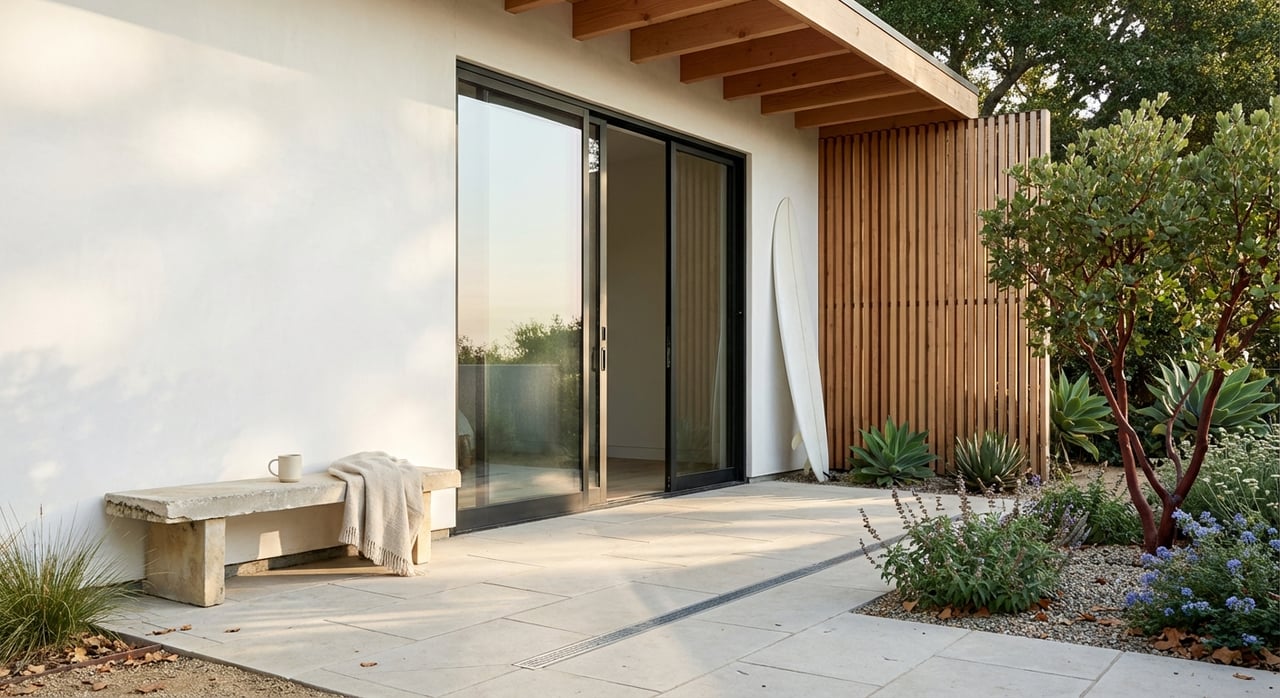
Everyday Life in Malibu for Design-Led Homeowners
February 19, 2026
February 19, 2026
If you care about light, materials, and the small routines that make a home feel right, Malibu has a rhythm you’ll notice from day one. Mornings start with glassy waves and coffee, afternoons pivot around the Pacific Coast Highway, and weekends flow between trailheads and a low-key café scene. You want a place where daily life feels elevated and grounded at once. This guide shows you what everyday Malibu looks like for a design‑minded homeowner, plus the key rules and realities that shape how you live and build here. Let’s dive in.
Malibu is a compact, linear coastal city with about 10,654 residents, so it feels small compared with Los Angeles. Every property sits within California’s coastal zone, which means most projects move through the city’s certified Local Coastal Program. If you plan to renovate, the city’s Local Coastal Program overview is your first stop. It outlines the process and the standards that guide what you can change and how.
Pacific Coast Highway is the spine of daily life. It carries school drop‑offs, early surf runs, and weekend trips to beaches and shops. The city recently completed a major signal synchronization project to improve flow and safety, which shapes how quickly those short daily drives feel in real time. You can see the impact in the city’s update on PCH signal upgrades.
Commute times to Santa Monica or central Los Angeles vary with season and time of day, so plan windows rather than exact minutes. On summer weekends, give yourself extra time near major beach access points. Parking close to the water is competitive, especially near popular breaks and the Country Mart area.
In a compact geography, each pocket reads differently. Point Dume and Zuma impress with headlands, tall skies, and easy surf access. Carbon, El Matador, and Broad Beach blend oceanfront living with bluff drama. Malibu Colony sits close to the water and offers a more pedestrian feel, while canyon and hillside enclaves like Kanan Dume, Malibu Canyon, and Serra Retreat trade frontage for privacy and landscape texture.
If you love strong view corridors and indoor‑outdoor continuity, blufftop lots deliver that cinematic horizon. Just know that the closer you get to the edge, the more your design choices must respect coastal rules and geotechnical realities. Canyon homes, on the other hand, highlight light, vegetation, and quiet—often with more space to craft studios or ADUs.
Surf culture shapes mornings. Surfrider’s First Point remains an iconic longboard break and social hub where etiquette matters and sets pace the day. If that’s your ritual, brush up on Surfrider etiquette and local pointers before paddling out.
For a quick reset, Point Dume State Beach offers headland trails and sweeping whale‑watching views. It’s an easy choice for a lunch‑hour hike or a golden‑hour walk with family and friends. Explore the Point Dume State Beach page for access details and nature‑preserve notes.
Weekdays often include short hikes and canyon loops. Solstice Canyon is a local favorite for shaded routes and history, perfect for work‑from‑home breaks or weekend picnics. Pair that with a late‑morning coffee, and you’ve designed a day that feels as good as it looks.
The Malibu Country Mart and nearby Malibu Village anchor daily errands and casual gatherings. You’ll find coffee, small boutiques, and relaxed dining, plus open spaces where kids can play while you catch up with neighbors or set up a quick laptop session. On Sundays, the Civic Center hosts a farmers market that’s part grocery run, part social catch‑up.
Down by the pier, restaurants and cafés make it easy to gather with friends around sunset. The pier scene blends casual and elevated, all centered on the water, which tends to nudge conversations outdoors year‑round.
Public schools serving Malibu are part of the Santa Monica–Malibu Unified School District. Malibu High near Zuma shapes many family routines with drop‑offs, sports, and arts programming. For enrollment and campus details, start with the SMMUSD Malibu page.
For healthcare, locals often use immediate and urgent care in town for day‑to‑day needs, with larger hospitals a short drive away in Santa Monica. It’s common to book quick checkups close to home rather than plan longer trips into the city.
Aesthetics and daily function go hand in hand here, but Malibu’s coastal setting adds rules and risks that should guide your materials and layout choices.
Because every parcel is in the coastal zone, many remodels and landscape changes require a Coastal Development Permit. The city’s LCP overview explains key steps and the broader policies behind them.
If your property sits on a bluff, development standards and “string‑line” rules limit how far seaward you can build. The Local Implementation Plan includes minimum bluff setback language, with 100‑foot setbacks appearing in the code and only limited exceptions. Review the LIP development standards early, and expect to involve a coastal‑zone architect and geotechnical engineer to study the site and inform the footprint, foundation, and hardscape placement.
Malibu falls within Very High Fire Hazard Severity Zones, which shapes everything from soffits to planting palettes. The City promotes home hardening and defensible‑space rules, including ember‑resistant zones near structures and annual brush‑clearance deadlines before summer. Explore the City’s guidance on home wildfire assessments and defensible space to set your baseline.
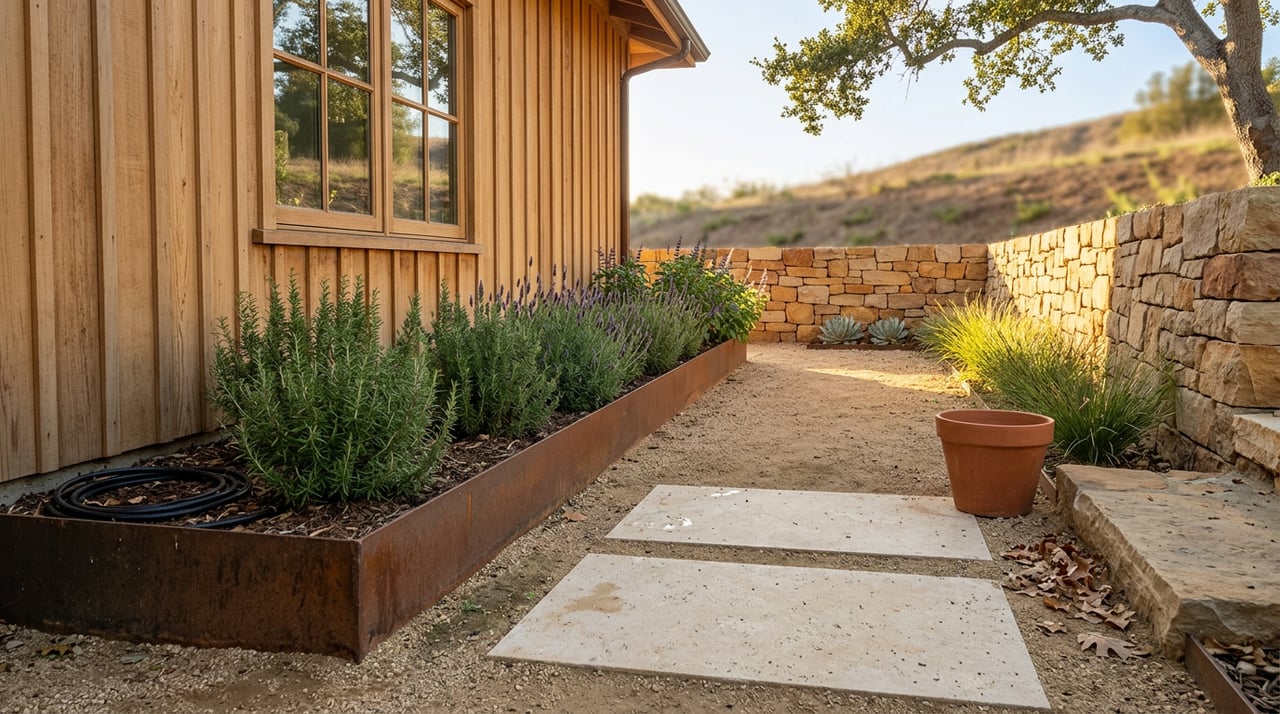
Design‑wise, consider ember‑resistant siding and vents, noncombustible decking near the home, and native, low‑fuel plantings supported by drip irrigation. Plan routine maintenance into your calendar and budget. This is less about compromise and more about crafting beautiful, durable outdoor rooms that respect the terrain.
Some neighborhoods historically used onsite wastewater treatment systems. In certain Civic Center and shoreline zones, state and regional rules limit or prohibit septic, and properties may connect to the Civic Center Water Treatment Facility instead. Before you sketch an addition or ADU, confirm whether your parcel sits in a regulated area and whether upgrades are required. The City’s FAQs on wastewater and OWTS outline what to check.
Wildfire risk has influenced insurance availability and pricing across California’s coastal and hillside communities. Recent reporting highlights insurer pullbacks in fire‑prone areas and the growing role of the state FAIR Plan. If you are budgeting a project or mapping long‑term ownership costs, build in contingencies for premiums and replacement cycles for exterior finishes. For context, see AP’s coverage of insurance shifts and wildfire risk.
If you split time between cities, expect a car‑forward lifestyle. PCH handles most errands and school runs, and parking tightens near the beach and retail clusters. Public transit is limited, so plan your week around drive windows, not exact minutes, and lean on neighborhood routines to simplify.
If you are weighing rental income, Malibu requires short‑term rental registration and collects a transient occupancy tax for stays under 30 days. Hosted versus unhosted rules and Coastal Commission considerations can affect what is allowed. Review the City’s page on Short‑Term Rentals and Transient Occupancy Tax to understand the current framework.
Malibu’s market sits firmly in the luxury range, with wide spreads between beachfront addresses and canyon properties. Condos and inland homes often price well below oceanfront trophies, and micro‑location matters. Because pricing shifts with season and inventory, ask your agent for hyper‑local comps and trends before you set expectations.
If you want a home that feels crafted for your routines, you need a guide who knows how Malibu really lives and how to navigate coastal rules without losing the thread of design. Our team pairs editorial‑quality presentation with hands‑on brokerage, local insight, and Compass tools to help you buy well or prep a listing that truly performs. When you are ready to walk neighborhoods and refine your brief, connect with Nuhaus - Olga Crawford. Let’s tell your home’s story.
Stay up to date on the latest real estate trends.