Pacific Palisades Living Guide: Coastal Village & City Access
February 5, 2026
February 5, 2026
Craving a slower coastal rhythm without giving up access to the city? If you are drawn to ocean air, trailheads, and a true village center, Pacific Palisades may fit your lifestyle. You want the real picture before you decide where to land. This guide covers what daily life feels like, the housing and design landscape, schools, outdoor access, commute reality, and the coastal rules that shape properties. Let’s dive in.
Pacific Palisades has a calm, residential pace with a strong village identity. Most streets are lined with single-family homes and leafy sidewalks, with ocean breezes and canyon views shaping the day. The climate is mild year-round, with a marine layer common in late spring and early summer.
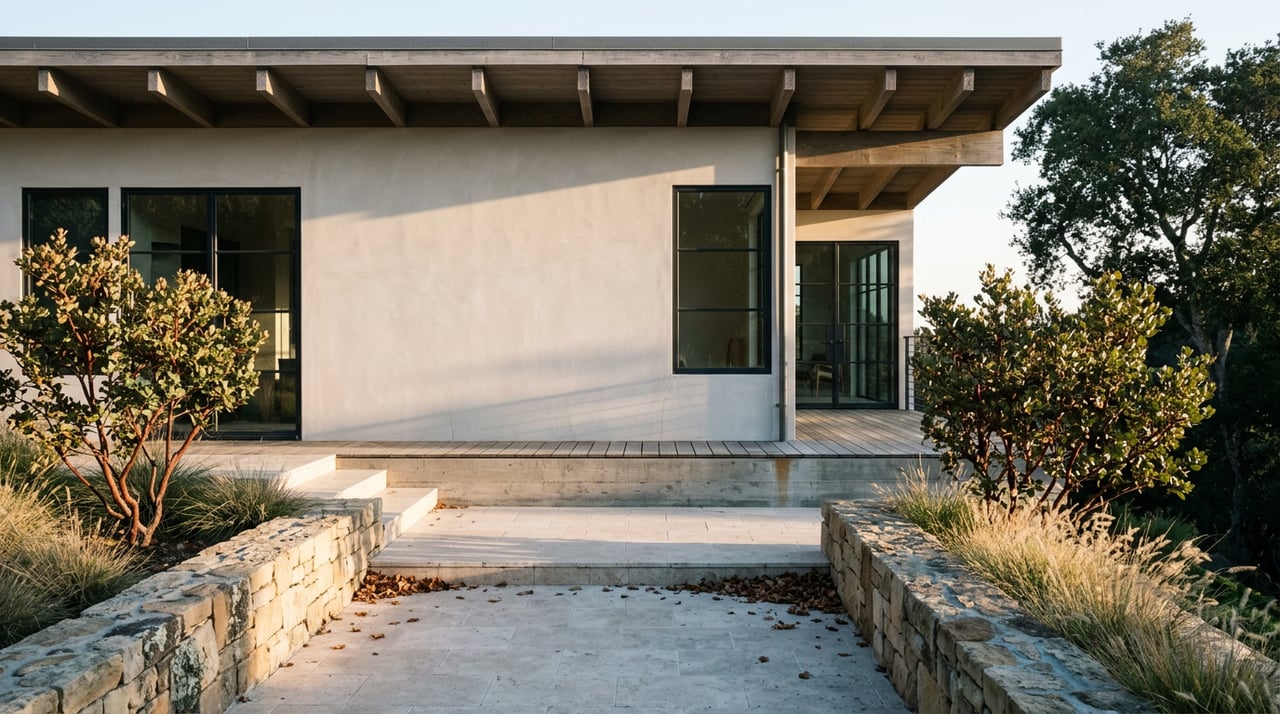
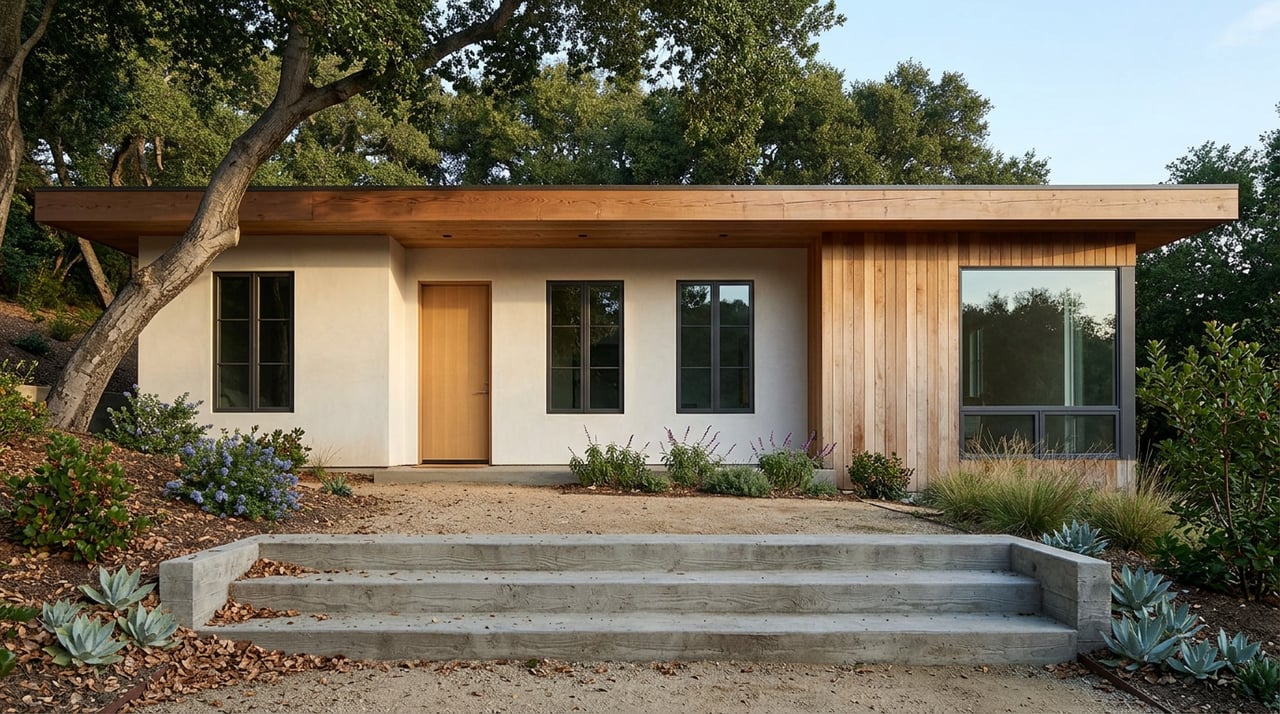
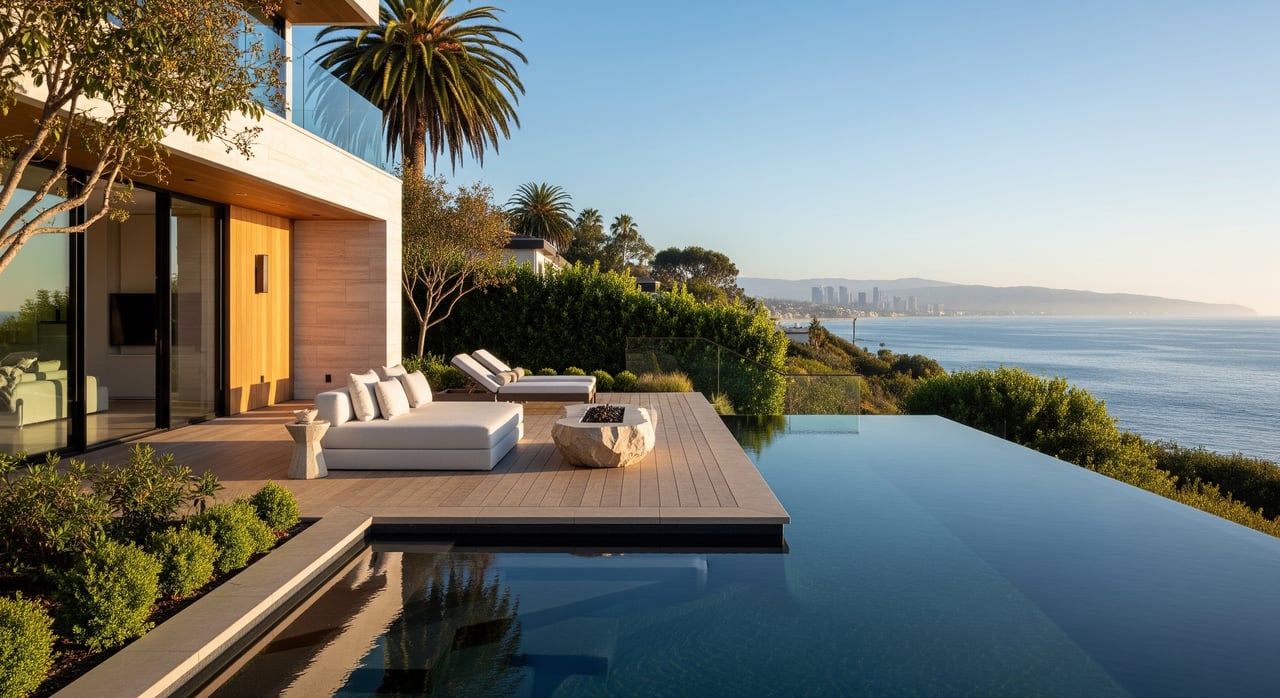
Architecturally, you see mid-century modern and ranch homes, cottage-style houses near the village, Mediterranean classics, and newer contemporary builds. Hillside topography and bluff edges influence lot lines, privacy, and how homes frame their views.
The commercial heart of the Palisades centers on small-town conveniences, from morning coffee to evening dinners. A mixed-use redevelopment known as Palisades Village opened in 2018 and added upscale retail and dining to the core.
Perched along bluffs and hillsides, the Riviera offers sweeping views and estate-scale properties. Streets can be winding and serene, with an emphasis on privacy and orientation toward the coastline or canyons.
These coastal sections include hillside and bluff-top homes that often prioritize ocean vistas. Streets can be steeper, and some addresses sit within the California Coastal Zone, which affects remodeling and new construction.
Further inland, you find larger lots and a neighborhood feel set against the Santa Monica Mountains. Many homes orient living spaces toward canyon views and late-afternoon light.
Nestled in a lush canyon setting, Rustic Canyon blends nature with architectural variety. It appeals to buyers who value quiet streets and a green backdrop.
The dominant housing type is single-family, with a smaller supply of condos and townhomes near the village. Ocean-view and bluff properties typically command a premium. You will also see a mix of lovingly preserved mid-century homes and newer rebuilds that open living areas to decks, yards, and views.
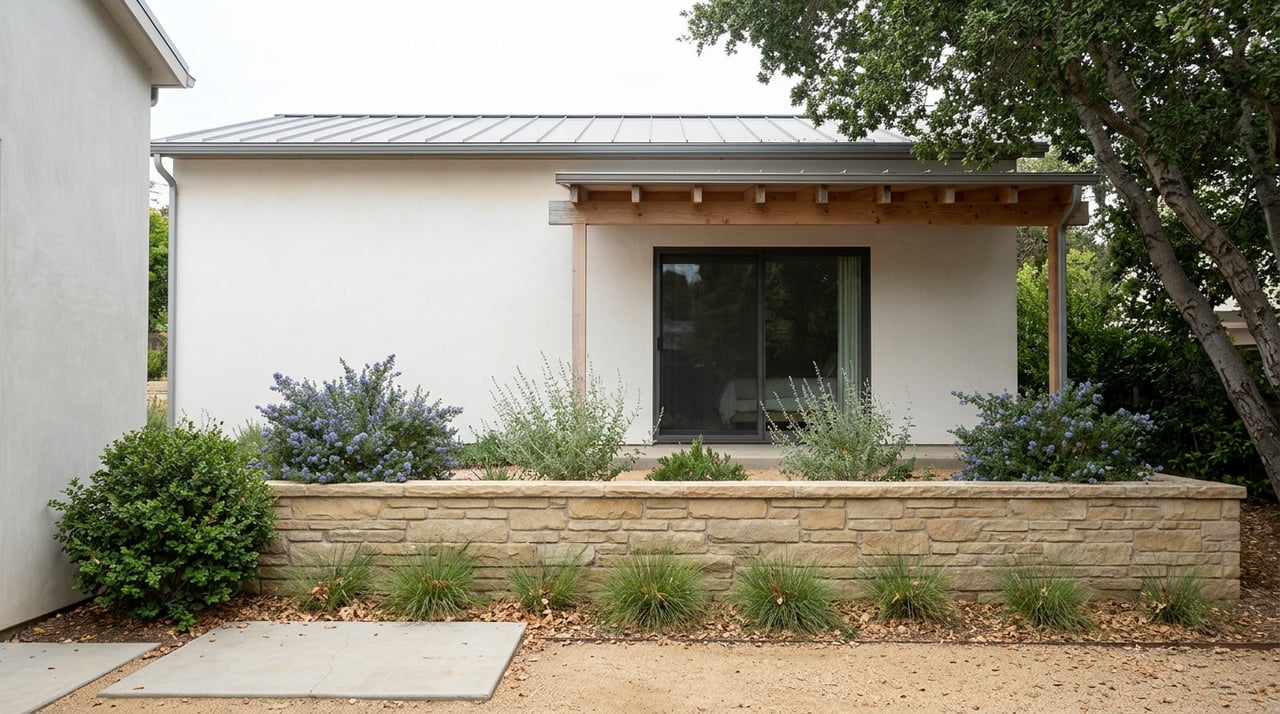
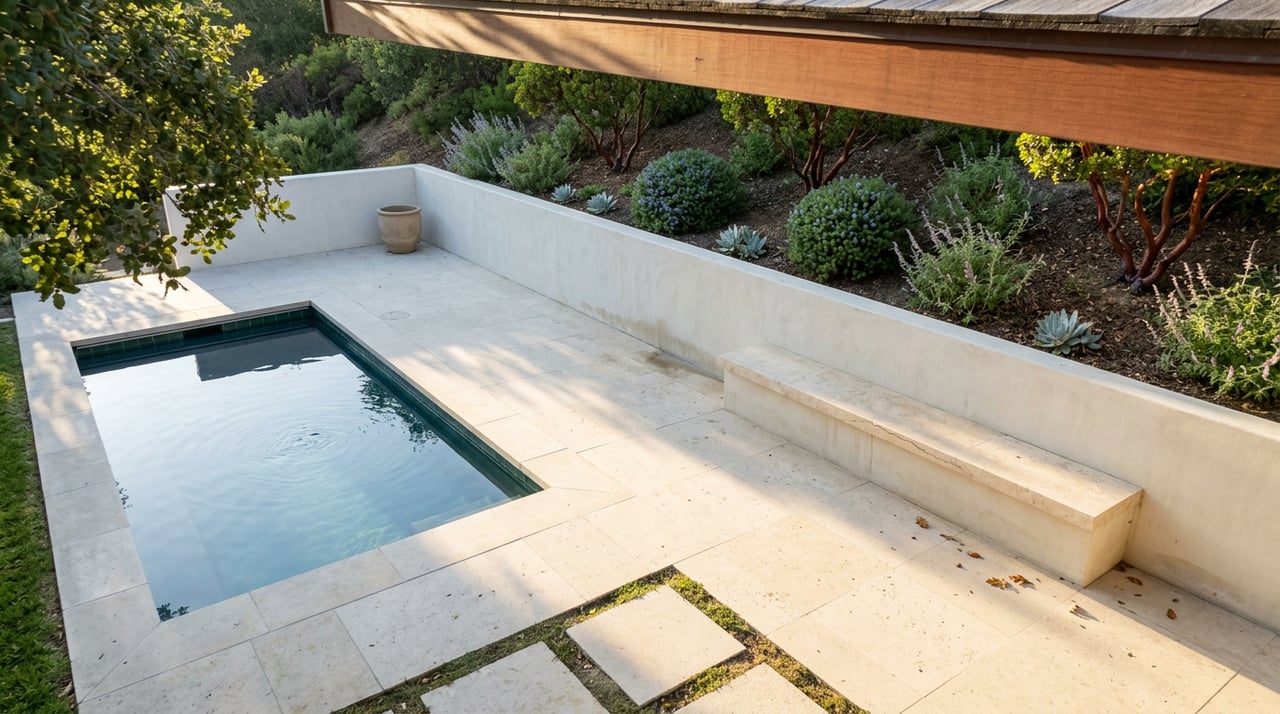
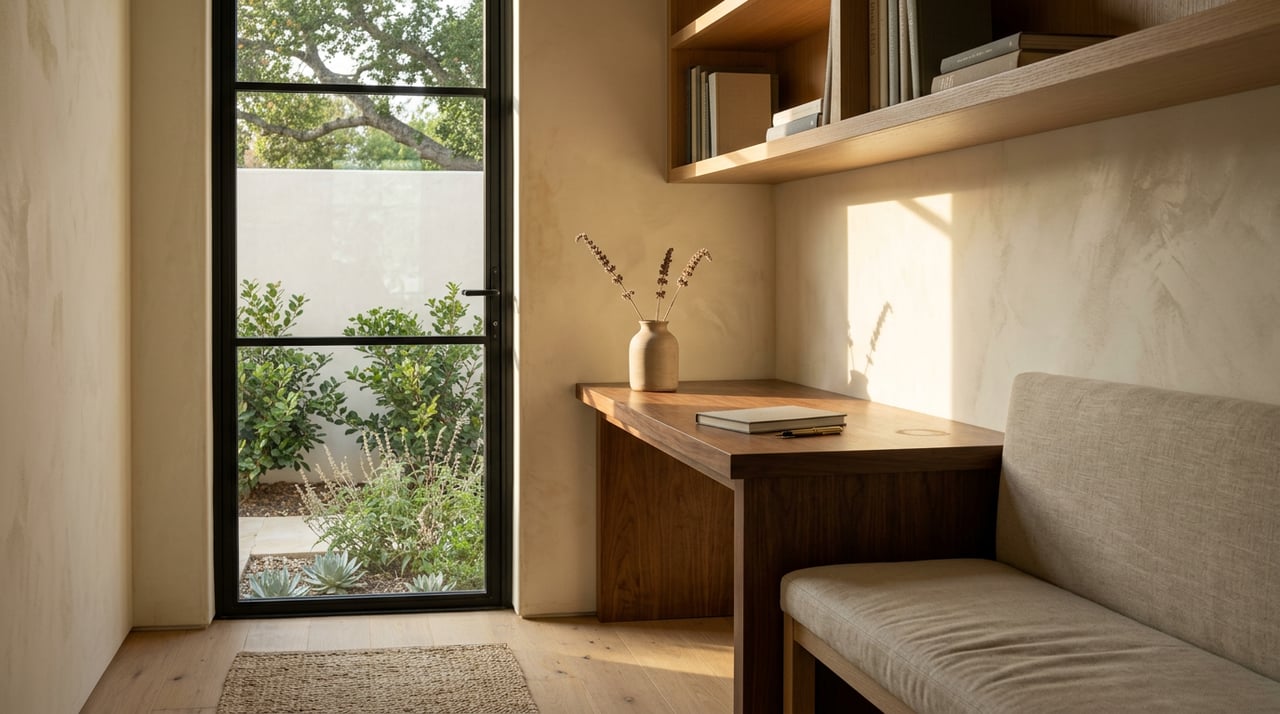
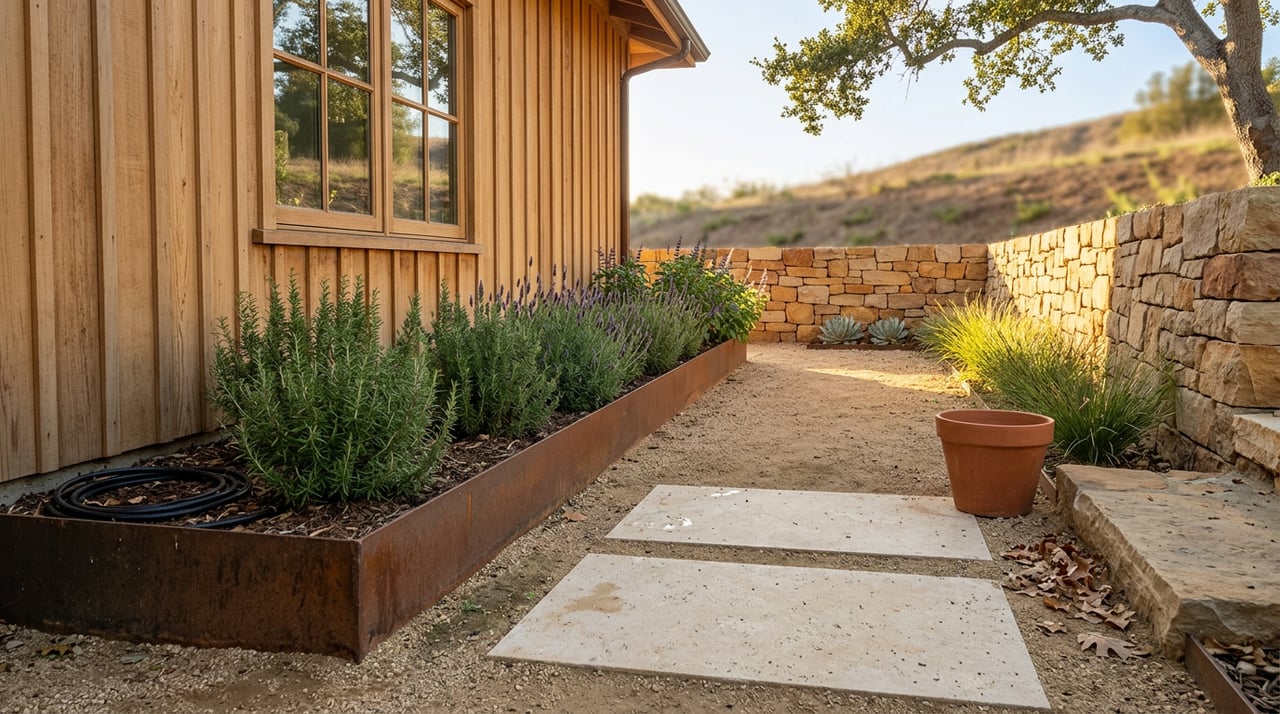
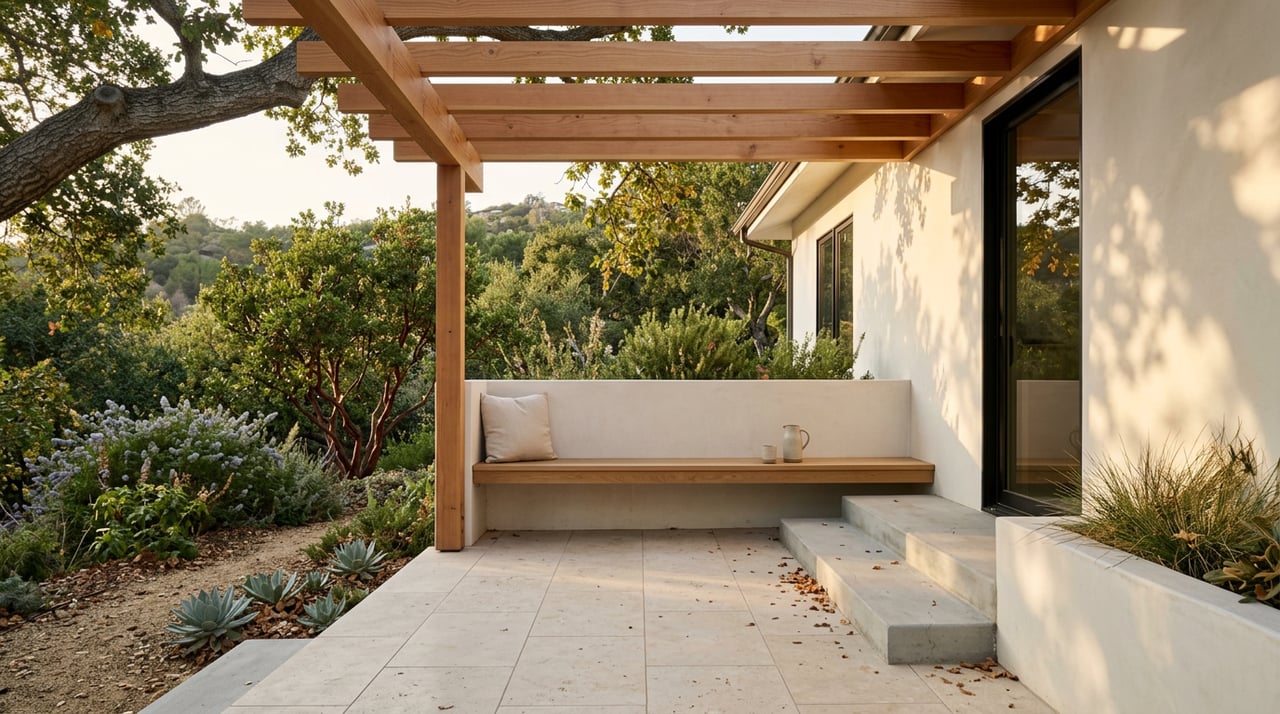
Design-minded buyers tend to favor indoor-outdoor flow, thoughtful landscaping for drought resilience, and primary suites that frame the ocean or canyon. Materials that weather well in a marine climate are popular, along with window systems that maximize light without sacrificing privacy.
Expect pricing to reflect a combination of location, views, and condition. Key factors include:
Much of Pacific Palisades is zoned for single-family residences, with some denser pockets near commercial corridors. Height limits, floor area, and parking requirements are set by the City of Los Angeles and vary by parcel.
Some properties fall within the California Coastal Zone. Projects inside this area often require coastal permits and added review, including attention to erosion, bluff stability, and public access. If you are considering a remodel or rebuild, confirm whether a specific property lies in the Coastal Zone before you make plans.
Tear-downs and rebuilds are common in high-value pockets of the Palisades. Timelines can be longer in coastal or scenic areas due to permit layers and design review. Coordinate early with the Los Angeles Department of Building and Safety and City Planning to understand what is feasible for a lot’s zoning, setbacks, and potential coastal requirements.
For hillside and bluff properties, geotechnical reports may be part of the process. Plan ahead for approvals and hire experienced local architects and builders who understand neighborhood guidelines.
Most errands cluster around the village, where you will find cafes, boutiques, and everyday services. A weekly farmers market and casual community events add to the small-town feel. Medical needs are served by local clinics, with hospital and specialty care typically found in nearby Santa Monica or West Los Angeles.
Grocery and dining options span from independent spots to higher-end offerings, with additional choices in Santa Monica and Brentwood. The area is active but not nightlife-driven, which is part of its appeal for many residents.
Pacific Palisades offers convenient access to Will Rogers State Beach and nearby coastal entry points. Parking can be limited at peak times, so plan accordingly.
If you hike or bike, trailheads like Los Liones, Temescal Canyon, Parker Mesa Overlook, and Topanga State Park are nearby. Check current trail and parking guidelines before you go. Local parks and recreation facilities support youth programs, athletics, and community gatherings.
Public schools fall under Los Angeles Unified School District, and several operate as charter schools. Palisades Charter High School is a well-known option for secondary students. Always verify school boundaries, enrollment policies, and program offerings directly with the district and each school.
Private and parochial schools are available in and around the Palisades and across the Westside. Preschool, daycare, and after-school programs are in demand, so it is wise to plan ahead and confirm availability with each provider.
The Palisades is more car-dependent than Santa Monica or Venice. Public transit exists but is more limited, with regional bus lines serving parts of the Westside. Biking works for local errands and recreation, though hills can affect daily commuting by bike.
Commuting to nearby job centers varies by route and time of day. Travel to Downtown Los Angeles or LAX is traffic dependent, so test-drive your route during your usual commute window. Beach parking and on-street parking can be tight during peak periods; check local restrictions and permits.
Presentation matters in the Palisades. Editing, staging, and strategic updates can elevate a home’s story and sale outcome, especially for design-forward buyers.
Consider where the best natural light lands and plan photography and showings to align with it. If your home is near the coast or on a hillside, confirm permits and disclosures early to build buyer confidence. Price with precision for view orientation, lot utility, and proximity to the village and trailheads.
Start the day with a walk through the village, then head to a nearby trail for a short hike. Visit the beach in the late afternoon and return to the village for dinner. If you are evaluating commute routes, drive them during the same hours you would keep on weekdays.
Ready for a guided tour of subareas, off-market possibilities, and the nuances that shape value on each block? Connect with a local, design-forward team that understands both the market and the coastal permit landscape.
If you want a measured, design-savvy approach to buying or selling in the Palisades, you will appreciate a team that pairs editorial-quality presentation with neighborhood expertise. From Compass Concierge-funded improvements to in-house staging and curated storytelling, you get both craft and reach. Start a conversation with Nuhaus - Olga Crawford.
Stay up to date on the latest real estate trends.